The marketing calendar has a rhythm everyone recognises. A major tournament. Fashion week. Award season. The cultural holidays that reliably pull a national conversation in one direction for a few days. Each one produces a spike in collective attention so large that appearing inside it feels, to most brands, like an obvious win.
It isn’t, and the reason is a distinction worth being precise about. Attention around these moments is abundant. Relevance within them is scarce. Every brand with a budget can buy its way into visibility during a World Cup. Almost none of them are remembered for it a month later, because visibility and participation are not the same thing, and audiences can tell the difference instantly.
In a crowded moment, presence without meaning reads as noise rather than participation. That’s the problem worth solving, and it isn’t solved with a bigger media buy.
Being there isn’t the strategy. Belonging there is.
The brands that come out of a cultural moment with something durable tend to have made three decisions differently, and all three happen well before any content is produced.
Talent chosen for genuine connection to the moment, not availability. The creator roster available during a major tournament is largely the same roster available to every competitor. What differs is whether a given creator has any real relationship to the thing everyone is watching, or is simply a large account that happens to be free that fortnight.
Content built around the cultural context, not a generic brand message dropped into it. Most brand content during a cultural moment is a standard campaign asset with a themed background. Audiences recognise this immediately, and it produces engagement in proportion to how novel the theme is, which is to say very little when three hundred other brands have used it.
Timing aligned to when the audience is actually paying attention, not when the campaign happens to be ready. Internal production schedules and cultural attention rarely coincide by accident, and when a campaign lands slightly outside the window, the spend is largely wasted regardless of the quality of the work.
Underneath all three sits a single misconception. Brands often treat cultural moments as media placements. What they actually need is a translator: someone who can connect the brand’s identity to what the moment genuinely means to the people living inside it. That translation is a strategic function, not a production one, and it’s the reason cultural moment work sits inside our integrated marketing strategy practice rather than being handled as a seasonal campaign brief.
Reactive content creates noise. Talent creates belonging.
The instinct during a cultural moment is speed. Something happens, the brand responds within the hour, and the internal measure of success becomes how quickly the post went out.
Speed has value, but it has been so widely adopted that it no longer differentiates anything. During any major moment, hundreds of brands are producing near-identical reactive content, competing for the same few days of attention with the same observations. The content has no relationship behind it, which gives it a shelf life measured in hours, and it leaves nothing behind once the moment moves on.
That’s the real cost. A brand anchored only in reactive, trend-chasing content is forgotten the moment the trend passes, and next year it starts from zero again. Nothing accumulates.
Talent activation works differently because it introduces something reactive content structurally cannot: a relationship. Partnerships built ahead of the moment rather than during it. Content that reflects the talent’s own voice rather than the brand’s press release. Follow-through that continues once the spotlight moves elsewhere. Those three properties turn a moment’s energy into something a brand can keep, and they’re why we treat talent as a cultural anchor rather than a distribution channel.
Cultural fit, not just reach.
Expanding into a cultural moment isn’t a question of which creator has the largest following. It requires three things that reach alone cannot supply.
Understanding what the moment means to the audience living inside it. A tournament is not primarily a sporting event to the people watching it. It’s a set of rituals, loyalties, arguments and shared jokes that have accumulated over years. A brand that understands the fixtures but not the feeling will produce content that is accurate and hollow.
Matching a talent’s own narrative to the brand’s, rather than asking the talent to recite a script. The most common failure in cultural moment marketing is a creator who is visibly delivering someone else’s words. It undermines both the brand and the creator, and audiences read it as a paid arrangement, which is precisely the thing the partnership was meant to avoid.
Building in enough lead time that the partnership feels earned rather than opportunistic. A relationship that begins two weeks before a moment looks exactly like what it is. One that predates the moment reads as continuity.
Together these produce what’s worth calling earned relevance: a brand’s right to be in a conversation, established through genuine fit rather than purchased through placement. Earned relevance is slower to build and considerably harder for a competitor to replicate, which is exactly what makes it valuable. It’s also where an integrated approach becomes essential rather than merely efficient, because talent selection, cultural analysis, content and press all have to be working from the same understanding of the moment.
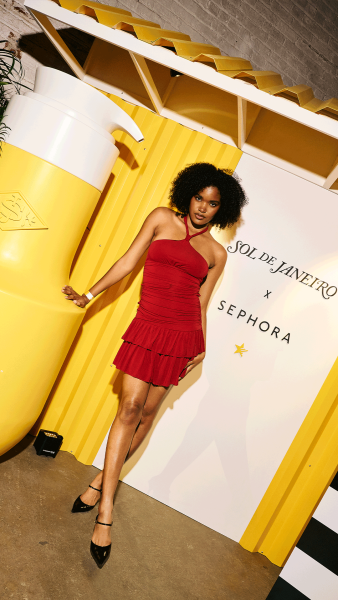
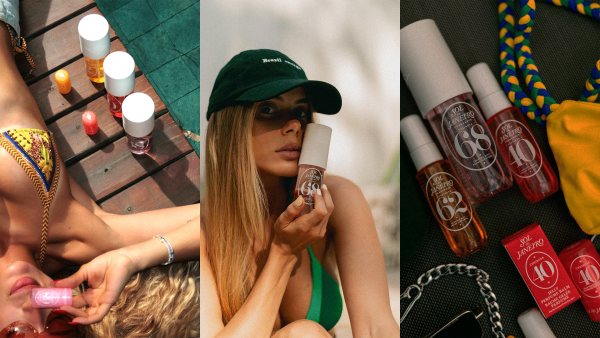
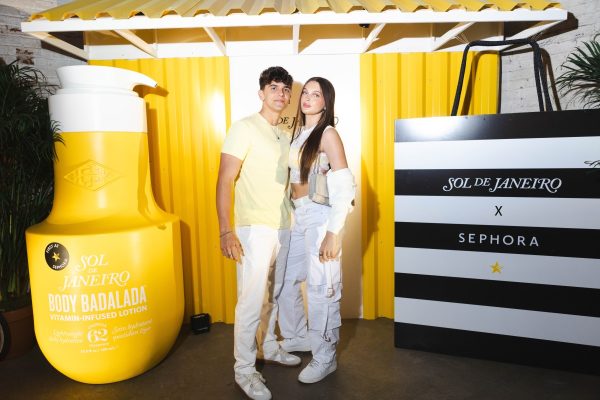
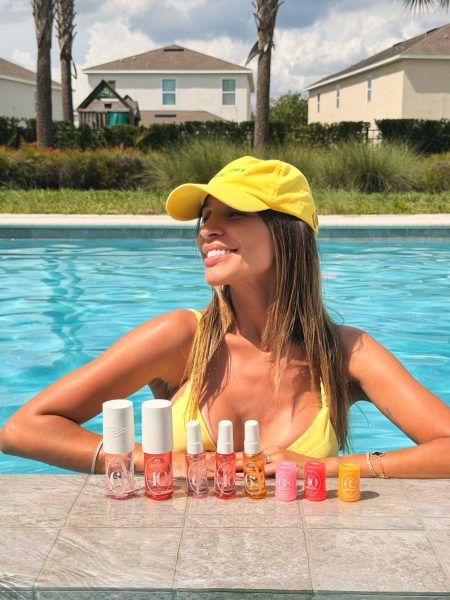
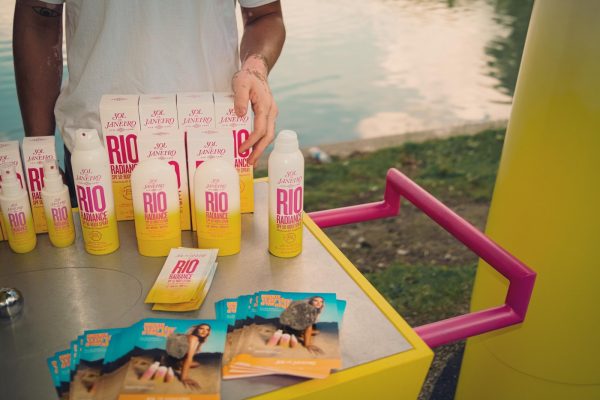
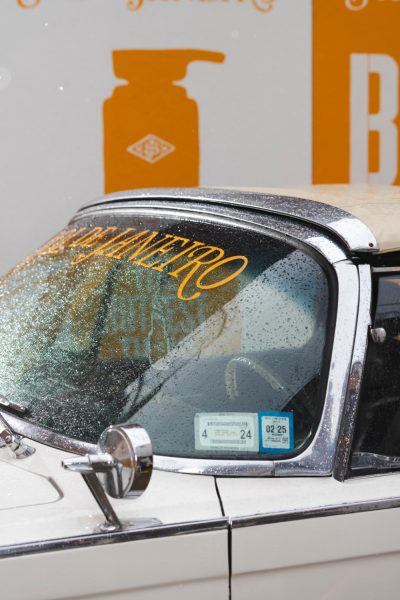
Sol de Janeiro x World Cup 2026.
The World Cup is the largest attention spike in the global calendar, and consequently the most crowded. Every category is present, most of them loudly.
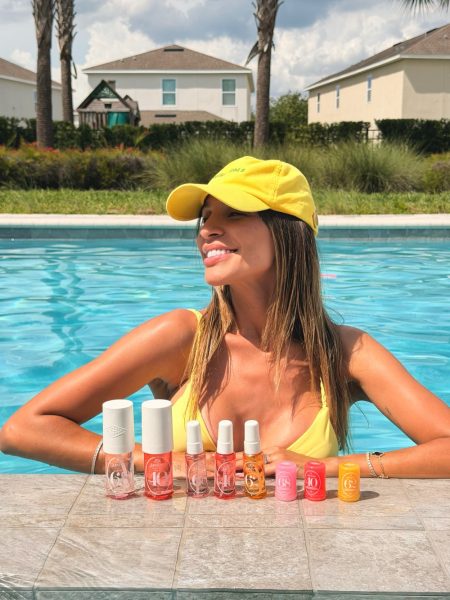
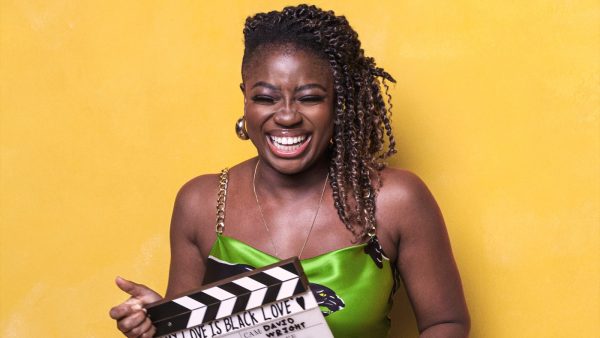
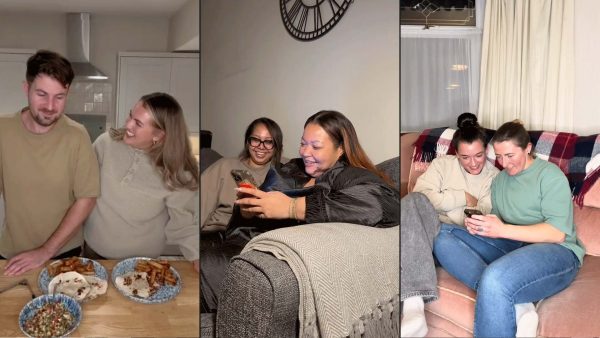
The approach here was structurally different: a creator programme built around the World Cup moment, rather than a standalone brand campaign placed alongside it. That distinction determined everything downstream. Seven creators delivered 32 pieces of content, each capturing authentic World Cup moments with Sol de Janeiro embedded naturally inside the conversation rather than layered on top of it.
The results:
- 19.2M total impressions and views.
- A 7% in-feed engagement rate.
- 403K+ total engagements across the campaign.
- Sentiment that stayed highly positive throughout, with strong product affinity and clear purchase intent visible in comments asking for product links and discount codes.
That last detail is the one worth dwelling on. Comments requesting product links and discount codes during a football tournament are not a metric anyone forecasts. They indicate an audience that encountered the brand inside content they were already enjoying and moved themselves toward purchase, which is a fundamentally different behaviour from responding to an advert.
None of this came from shouting louder during the tournament. It came from creators who were already part of the conversation, with the brand woven into moments audiences were sharing anyway. When content is built from inside a cultural moment rather than aimed at it, performance stops being a forecast to beat and becomes a byproduct of genuine fit.
Authenticity as the narrative strategy.
Audiences now evaluate brand activity around cultural moments with a consistency that should inform how these campaigns are planned. In practice they’re asking three questions.
Does the talent have a real connection to this moment, or a paid one? Does this content feel considered, or clearly assembled overnight? Does this partnership continue past the moment, or disappear with it?
Talent-led storytelling is a strong foundation for all three, but only when the relationship is genuine before the brief exists. Authenticity cannot be added in the creative stage. It’s a condition of the partnership or it’s absent, and audiences are markedly better at detecting the difference than most planning assumes.
That’s where our role sits: talent selection grounded in real cultural fit rather than reach, through intelligent influencer procurement; narrative alignment between brand, talent and moment; press relationships that carry the story beyond the campaign’s own channels; and ongoing creator partnerships rather than one-off placements. More on how creator selection works across tiers sits in multi-tier influencer procurement, from nano to celebrity.
Community as ecosystem, not campaign window.
The most common structural mistake is treating the moment as the campaign’s boundary. Budget is allocated to a window, content runs inside it, reporting closes shortly after, and the audience the campaign attracted is left with nowhere to go.
Talent activation should be the beginning of a relationship with an audience rather than a single post. Content is the connective tissue between a cultural moment and a brand’s everyday presence, and social and CRM are extensions of the same relationship the talent partnership started, not separate channels that happen to run afterwards.
The pattern across cultural moments is consistent: audiences stay engaged with brands that keep the relationship going once the moment ends. That requires structured talent and creator seeding beyond the initial moment, community-building frameworks that carry momentum into the next cultural beat, and social-first campaigns designed to convert a moment’s attention into an ongoing relationship. We’ve covered the mechanics of that in four simple steps to building a thriving brand community, and the broader case for connecting physical presence, content and talent in why integrated experiential and influencer marketing delivers more than either can alone.
From attention to belonging.
Influencer activation has comprehensively proven it can capture attention inside a cultural moment. That question is settled. The harder question, and the one that now separates brands, is whether the brand belongs in the moment at all.
Belonging means being part of the moment’s meaning rather than its media coverage. It means choosing talent relationships that outlast the news cycle rather than renting reach for a fortnight. And it means treating a single cultural beat as an entry point into an ongoing place in culture rather than a campaign with an end date.
That shift, from attention to belonging, is what turns a moment into brand equity. It takes longer, it’s harder to buy, and it’s the only version of cultural moment marketing that compounds.
Frequently asked questions.
What is influencer activation in a cultural moment? Influencer activation around a cultural moment means partnering with talent who have a genuine connection to that moment, so the brand appears inside conversations audiences are already having rather than alongside them. It differs from reactive campaign content in that the relationship and narrative are established before the moment and maintained after it.
Why do most brand campaigns during cultural moments underperform? Because attention during these moments is abundant while relevance is scarce. Hundreds of brands produce near-identical reactive content competing for the same few days, and content with no genuine relationship behind it has a very short shelf life and leaves nothing behind once the moment passes.
What does earned relevance mean? Earned relevance is a brand’s right to participate in a cultural conversation, established through genuine talent fit, cultural understanding and lead time, rather than purchased through media placement. It is slower to build than visibility and considerably harder for competitors to replicate.
What results can a culturally-embedded creator programme deliver? Sol de Janeiro’s World Cup 2026 programme used seven creators producing 32 pieces of content to generate 19.2M impressions and views, a 7% in-feed engagement rate and over 403K engagements, with highly positive sentiment and comments actively requesting product links and discount codes.
Build a place in culture, not a moment inside it.
If your brand shows up reliably during the big cultural moments and starts from zero every time, the issue is that nothing is being built between them. Our talent, strategy and social teams can map which moments your brand has a genuine right to enter, and what needs to exist before and after to make that presence hold. Get in touch to talk it through.
 SKIN1004 NYC launchTaking SKIN1004 to the streets: A citywide sampling experience driving buzz ahead of the NYC flagship opening.
 Persil x ArsenalBringing "Every Stain Should Be Part of the Game" to life.
 Stories.Quick, easy reads about things we’ve been thinking, feeling and analysing lately. Get scrolling to keep up.
 AI Shopping and Black Friday 2026: Why Credibility, Not Choice, Will Close the SaleAsk most brands what AI will change about Black Friday and you'll hear some version of the same story: the bots are coming for the basket. Shoppers will ask an assistant for the best deal, and the assistant will buy it for them.Read more