Ask most brands what AI will change about Black Friday and you’ll hear some version of the same story: the bots are coming for the basket. Shoppers will ask an assistant for the best deal, and the assistant will buy it for them.
The data tells a different story. More UK shoppers than ever plan to use AI to navigate this year’s sales. But almost none of them will let it complete the purchase. AI is being trusted to find the deal, not to close it.
And the reason has less to do with technology than with something brands have been wrestling with for years: credibility.
AI shopping is speeding up, but Britain is still catching up
Black Friday has never been as big in the UK as in the US. According to YouGov’s 2026 Black Friday and Cyber Monday report, just 23% of British adults say they’re likely to shop the sales. But among those who will, attitudes to AI are shifting fast.
34% of likely Black Friday shoppers plan to use an AI tool to navigate the sales this year, up from 19% in last year’s survey. And most of them are newcomers: 24% expect to start using AI this year, against 15% who used it last year.
In a global context, though, Britain is still near the bottom of the table. Only 15% of UK adults have used AI to shop, one of the lowest rates across the 19 markets surveyed. In Mexico, it’s 43%. In India, 50%.
For brands working across markets, that gap matters. The behaviours UK shoppers are only starting to test are already routine elsewhere, and they’re arriving quickly.
Shoppers will let AI find the deal, not close it
The more interesting finding isn’t how many people will use AI. It’s what they’re willing to use it for.
40% of likely Black Friday shoppers would be comfortable using AI to find the best price. Comparing offers, checking whether a discount is genuine and tracking price changes all follow. But comfort drops sharply as AI gets closer to the transaction. Only 7% would let it add items to their basket, and just 5% would let it complete a purchase, even after approving it.
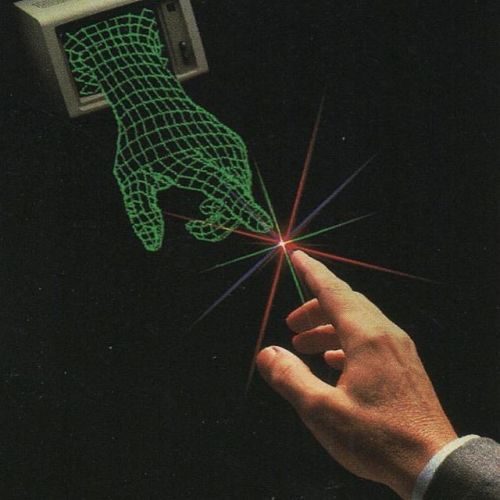
In other words, discovery is moving into the chat window. The checkout is staying firmly in human hands.
Confidence also depends heavily on experience. 80% of shoppers who already use AI are confident it will help them find the best deal, compared with 17% of those who reject it. For now, AI still trails every other deal-finding channel overall, at 47%, compared with 82% for checking retailer websites and apps directly.
The real problem is credibility, not choice
When shoppers were asked what they find hardest about Black Friday, the top answer wasn’t finding a deal. It was knowing whether a discount is genuine, cited by 47% of likely shoppers, ahead of finding the best deal at 38%.
Scepticism also rises with age. Among Gen X and Baby Boomers, 58% struggle to tell a real discount from an inflated one, compared with 41% of Gen Z and Millennials.
And here’s the twist: the most sceptical shoppers are also the most open to letting AI check the deal for them (36% vs 26% of younger shoppers). They don’t want AI to shop for them. They want it to fact-check the brands they’re buying from.
That changes the brief. The challenge this season isn’t standing out in a crowded feed. It’s being believed in one.
Shoppers are writing the rules for AI
Even shoppers who already use AI have reservations. Their top concern is biased or sponsored recommendations (48%), followed by inaccurate or outdated information (42%).
What would make them more comfortable is just as telling. Among current AI shoppers, the most wanted features are:
- Explaining its recommendations (47%)
- Comparing prices across retailers (46%)
- Limiting use of personal data (41%)
- Showing its sources (39%)
- Labelling sponsored recommendations (35%)
Put simply: explain why, show your sources, label what’s paid. Shoppers aren’t rejecting AI. They’re setting the conditions for trusting it.
Why those rules won’t stay with AI
We don’t think those expectations will stay inside the chat window. Once shoppers start asking an assistant to explain itself and show its sources, they’ll expect the same from everyone else asking for their attention: brands, retailers and creators.
This is especially true for creator marketing. Influencer content works because it’s built on trust, the sense that a real person has used the product and is telling you what they actually think. The same fear shoppers have about AI, hidden sponsorship, is the one that can undermine a creator partnership overnight.
That’s why we see disclosure as a feature, not a disclaimer. A clearly labelled partnership, with a creator who genuinely uses the product and is honest about the price, doesn’t weaken the message. In a season full of doubt, it’s proof.
In the age of AI shopping, verifiable is the new viral.
What this means for brands this season
- Make the offer verifiable. Honest pricing beats loud discounts. If shoppers, or the AI tools they use, can’t check a reduction, they’ll assume it isn’t real.
- Keep product information accurate everywhere. AI assistants are now reading your product pages, prices and stock. Outdated or inconsistent information is one of shoppers’ biggest worries, and it’s the easiest one to fix.
- Put real voices where shoppers hesitate. Creators who explain, compare and show the real price do the job shoppers are asking AI to do, with a face they already trust.
- Treat disclosure as part of the creative. Label partnerships clearly and early. It’s what shoppers are asking for, and it protects the credibility the whole campaign depends on.
- Leave the final click to the customer. Use AI and creators to open the door. Let the shopper walk through it.
Key takeaways
- Planned AI use among likely UK Black Friday shoppers has nearly doubled in a year, from 19% to 34%.
- Shoppers trust AI to find the deal, not to close it: 40% would use it to find the best price, only 5% to complete a purchase.
- The biggest Black Friday struggle is credibility, not choice: 47% find it hard to tell whether a discount is genuine.
- Shoppers’ top worry about AI is biased or sponsored recommendations, and those same trust rules are becoming the standard for brands and creators.
- In the age of AI shopping, transparency is a competitive advantage, not small print.
FAQ
How many UK shoppers will use AI this Black Friday? According to YouGov, 34% of likely UK Black Friday and Cyber Monday shoppers say they’re likely to use an AI tool to navigate the sales in 2026, up from 19% the year before.
Will shoppers let AI make purchases for them? Very few. Only 5% of likely shoppers would be comfortable with AI completing a purchase, even after approving it. Most want AI to help them research and compare, not to buy.
What worries shoppers most about AI shopping? Biased or sponsored recommendations are the top concern, cited by 48% of shoppers who already use AI, followed by inaccurate or outdated information (42%).
What does this mean for influencer marketing? The trust rules shoppers set for AI (explain your recommendations, show your sources, label what’s sponsored) apply to creators too. Clearly disclosed partnerships with creators who genuinely use the product are more credible, not less.
How can brands build trust during Black Friday? By making offers verifiable: honest pricing, accurate product information, transparent creator partnerships and real voices at the moments shoppers hesitate.
Related reads
Source: YouGov, The bots and the basket: AI’s role in Black Friday and Cyber Monday 2026 (Great Britain). Online survey, 13 July – 11 August 2026; GB adults n=2,039, likely BFCM shoppers n=457. Figures refer to likely Black Friday/Cyber Monday shoppers unless stated.
 SKIN1004 NYC launchTaking SKIN1004 to the streets: A citywide sampling experience driving buzz ahead of the NYC flagship opening.
 Persil x ArsenalBringing "Every Stain Should Be Part of the Game" to life.
 Stories.Quick, easy reads about things we’ve been thinking, feeling and analysing lately. Get scrolling to keep up.
 AI Shopping and Black Friday 2026: Why Credibility, Not Choice, Will Close the SaleAsk most brands what AI will change about Black Friday and you'll hear some version of the same story: the bots are coming for the basket. Shoppers will ask an assistant for the best deal, and the assistant will buy it for them.Read more