Algorithms. For many of us, they are the cornerstones of our digital lives, a key that unlocks the convenience promised by the sci-fi fever dreams of yesteryear. We log onto Amazon and, based on our shopping history new products are recommended to us. The posts on Facebook that we’ve liked in the past dictate the post that we will see in the future. TikTok’s explore feed constantly updates with content relevant to our likes, location, and other factors. In so many of the platforms and apps that we use today, algorithms are behind the scenes, doing the heavy lifting to provide us with a more personalised, predictive experience.
“
But how much sway do these small feats of decision making really have over us? In order to understand how algorithms are changing our behaviour,we need to take a look at how their role in digital society impacts our decisions.
”
Big Data, Major Brands, and Big Returns
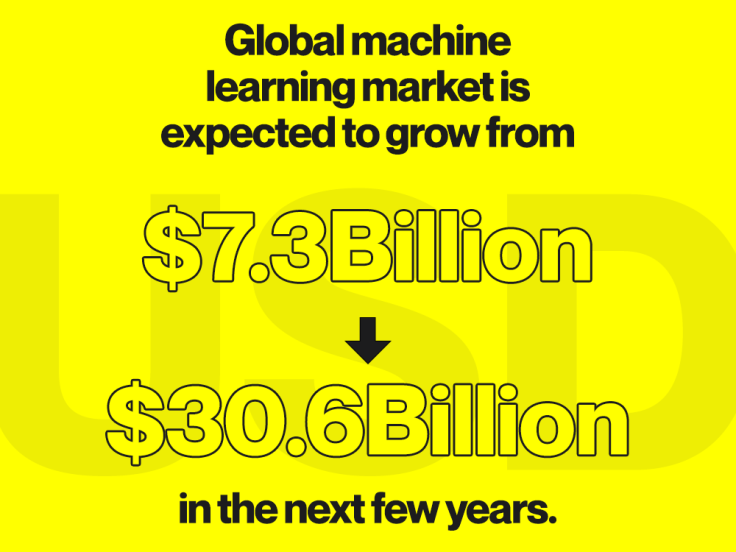
According to Forbes, the global machine learning market is expected to grow from 7.3 billionUSD to 30.6 billion in the next few years. And for good reason. Machine learning algorithms essentially ingest large quantities of data, pick out patterns and make predictions based on those patterns.
This allows companies to make quick business decisions based on massive amounts of data that are collected and analyzed in real-time and, among various other applications, put forth a more personalized experience catered to today’s consumers. Machine learning is how Netflix is able to curate a library of digital movies and shows based on the likes of the individual user.
And speaking of Netflix…
How Algorithms Impact Our Decisions
As of last year, about 30% of companies were using some form of AI in their day to day business operations. However, while the number of companies that employ algorithms is growing, they are already an integral part of the way the most popular companies interact with their customers.
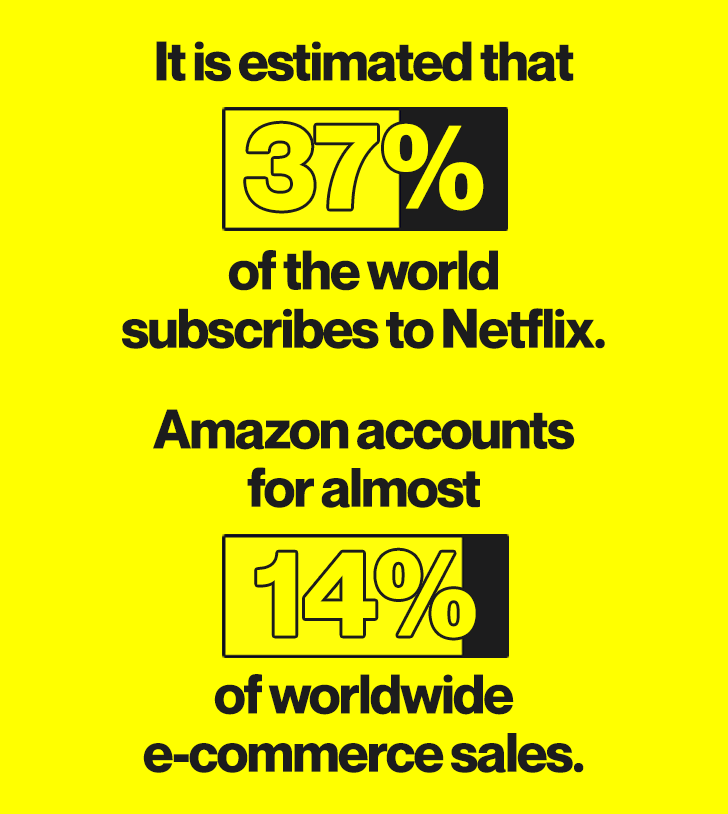
It is estimated that 37 percent of the world subscribes to Netflix. Amazon accounts for almost 14 percent of worldwide e-commerce sales as well as 49 percent of U.S sales. That is a staggering amount of users who in some way shape or form, are having part of their decision-making process automated. Most likely, in the options that they are presented.
According to Netflix, 80 percent of users select their content based on the recommendations of the Netflix algorithm. To put it simply: if it is not recommended, then a majority of users are not watching it.
What Amazon’s A9 Can Teach Us About Algorithms
A9 is responsible for streamlining the Amazon shopping experience, from user recommendations to the order by which items are ranked on the site. And while this ranking system is based on individual consumer data in order to put forth relevant search results, it is also based on the items sale history. Items that sell better are more likely to rank higher in future searches or be recommended more frequently.
This means that the algorithm ISN’T showing us exactly what we want, but instead subtly influencing our purchasing decisions. We won’t buy what we are not shown.
What Does This Mean for Consumers Going Forward
On the one hand, this means that we don’t have as much control as we think. If the options shown to us are directly influencing our purchases, then at some point they start creating a pattern rather than just being informed by it.
This is good news for brands investing in personalized ads and experiences. It shows just how effective algorithms are when it comes to creating personalized content, for which there is a large consumer demand right now.
However, for consumers, it can be a little unsettling to realize that we are exercising less control over our own decisions than we were a decade ago. And this extends beyond just what we purchase or watch.
Facebook and the Problem of Echo Chambers
A good example of this is the way in which Facebook’s determines the content its users see on their newsfeed. While a newsfeed curated to your likes and interests doesn’t sound like a bad thing at first, the negative implications arise when we factor in the content we are not seeing.
And while this content may simply be downranked because it doesn’t contain anything that the user has expressed interest in, it may also contain contrasting viewpoints. In the long run, this effectively allows Facebook to create bubbles and echo chambers on behalf of its users, which can skew their perspective on issues.
In fact, there is no shortage of articles that have come out accusing Facebook of playing a partial role in the polarized state of American Democracy such as this one.
So it’s not really hyperbole or fear-mongering to say that algorithms are changing the way we behave. And examples such as the Facebook effect show that they are capable of changing the way we think as well.
The Trade-Off
But if algorithms can adversely affect us, they can also help us. They are quickly emerging as the backbone of our digital society, helping us parse through the massive amounts of information we are bombarded with on a daily basis. Yes, searches are quicker and search results more tailored. But algorithms are also pushing us further into the future, powering the technology behind autonomous vehicles and other bleeding-edge tech.
At the end of the day, user responsibility will play a major part in determining the impact algorithms have on our behaviour. The more we choose to outsource our decisions to them without a second thought, the less control we ultimately have.
However, if we view them as tools, exercising our intent over when and where their input is suitable, we will be able to reap the benefits they provide and mitigate adverse changes to our behaviour.
 SKIN1004 NYC launchTaking SKIN1004 to the streets: A citywide sampling experience driving buzz ahead of the NYC flagship opening.
 Persil x ArsenalBringing "Every Stain Should Be Part of the Game" to life.
 Stories.Quick, easy reads about things we’ve been thinking, feeling and analysing lately. Get scrolling to keep up.
 AI Shopping and Black Friday 2026: Why Credibility, Not Choice, Will Close the SaleAsk most brands what AI will change about Black Friday and you'll hear some version of the same story: the bots are coming for the basket. Shoppers will ask an assistant for the best deal, and the assistant will buy it for them.Read more