Gen-Z: rethinking beauty in the age of inclusivity.
Share
Beauty. It is defined as a combination of qualities, such as shape, colour, or form, that pleases the aesthetic senses, especially the sight.
Given the rapid shifts in culture and thought that have come to define the 21st century, it would be easy to assume that, along with many other aspects of our society, the way we define beauty has changed as well. But that doesn’t seem to be the case.
The definition of beauty is as relevant today as it ever was. Instead, what is changing is the lens through which we view beauty.
“
And it’s changing on the backs of Gen-Z The first generation of digital natives have garnered a reputation for being passionate and idealistic.
”
Couple this with the fact that they already make up about one-third of global purchasing power, and you have a generation that is poised to reshape the beauty industry.
In many ways, they are already doing it.
Online as Important and IRL
Gen-Z grew up in a time defined by the internet. As such the differences in how they treat digital spaces as opposed to physical ones are less pronounced, allowing them to seamlessly transition between their digital identities and their physical ones.
This means how beauty brands relate to them has to take this into account. Providing meaningful online experiences and a digital presence as fluid as your target audience is a must.
Going forward things like interactive beauty tutorials, immersive livestream experiences and livestream shopping that allow users to purchase the look and virtual makeup try-ons will be key for brands looking to expand the range of the digital beauty experience.
Redefining Masculinity
Keeping in line with the more open definition of beauty, Gen-Zers are changing the concept of what it means to be masculine as well.
The generation has come of age during a time of great fluidity, where gender norms are being challenged and traditional expectations around masculinity are shifting.
Take South Korea for example. The country has been dominating the male beauty market for years and in doing so, helping to redefine masculinity. In fact, according to CNN, 58 percent of Gen-Z men on the peninsula undergo weekly beauty treatments.
But even as South Korea continues to challenge the idea of masculinity, the west is catching up.
In the last five years, we’ve seen Covergirl select their first “Coverboy” and a handful of makeup brands emerge catering specifically to men. In an age where sexuality and gender have become transitional, we are seeing that men are no longer bound by the rigid and narrow ideas of traditional masculinity or labels, only by their will to express themselves.
Sustainability
Sustainability is another area in which Gen-Z is changing cultural paradigms of beauty. With the oldest members born in 1997, many digital natives have not known a time where climate change wasn’t a major issue, where our environment wasn’t at risk. And it shows.
90% of young consumers feel that companies should take action on environmental issues and they are willing to put their money behind the ones that do. Given that the majority of Gen-Zers have purchased some kind of beauty product before the age of 14, they definitely utilize their purchasing power.
Animal testing, unethically sourced ingredients, performative activism, these are aspects of the beauty industry that Gen-Z is largely leaving behind. And in their place is more than just recyclable packaging or sustainable ingredients. It’s a commitment made between buyer and brand to support a greener future.
Impact and Inclusivity
Through their purchasing decisions, Gen-Z is showing us that even small choices can have a large impact. They are changing the narrative around beauty, around who and what are perceived as beautiful and forcing beauty brands to share their values. They understand that the name of the game isn’t intent, it’s action, and actions shouldn’t alienate. They should validate.
This attitude is reflected in the small actions of brands that have major impacts. Maybe its hair care brand Herbal Essences incorporating tactile marking to help the visually impaired differentiate between shampoo and conditioner. Or maybe it’s Calvin Klein releasing their first gender-neutral fragrance at the beginning of the year.
But regardless of which action we focus on, what is clear is that this culture of inclusivity is what defines the new standard of beauty. It is not reserved for a certain skin tone, or even a certain. Learn more about our influencer marketing agency expertise.
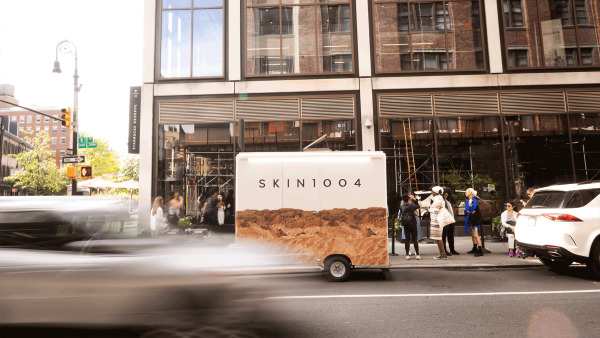
 SKIN1004 NYC launchTaking SKIN1004 to the streets: A citywide sampling experience driving buzz ahead of the NYC flagship opening.
 Persil x ArsenalBringing "Every Stain Should Be Part of the Game" to life.
 Stories.Quick, easy reads about things we’ve been thinking, feeling and analysing lately. Get scrolling to keep up.
 AI Shopping and Black Friday 2026: Why Credibility, Not Choice, Will Close the SaleAsk most brands what AI will change about Black Friday and you'll hear some version of the same story: the bots are coming for the basket. Shoppers will ask an assistant for the best deal, and the assistant will buy it for them.Read more