How can influencer marketing empower banks and raise consumer trust?
Share
Influencer marketing has the potential to raise brand awareness and boost sales by increasing relatability and creating strong ties between businesses and their customers. In this guide, we’ll take a closer look at how influencer marketing can empower financial services firms and enhance customer trust.
The benefits of influencer marketing for financial services firms
Influencer marketing is often associated with retailers and brands looking to promote products such as clothing, cosmetics and fitness equipment. In recent years, though, it has emerged as an increasingly powerful weapon for financial services brands to add to their marketing mix strategy. This technique offers an array of benefits for financial organizations.
Targeting specific audiences by enhancing the sense of trust
With the rise of technology, financial services marketing has evolved to become more targeted and data-driven. Unlike lifestyle purchases, financial decisions require a higher level of trust and credibility. This is why many companies have started using productivity monitoring software for remote employees, especially in the case of influencer partnerships, to ensure compliance and maintain transparency. By leveraging trusted influencers, financial service firms can bridge the gap between organizations and their ideal customers, enhancing trust through peer-to-peer recommendations. Implementing these strategies helps maintain accountability and upholds the credibility of financial marketing campaigns.
Brand perception, building trust and making information more accessible and digestible
It can be challenging for finance firms to shake off associations with bureaucracy and create relationships and trust bonds with prospective customers through social platforms and apps. Working with authentic and financially knowledgeable influencers can help to break down barriers and create positive brand perceptions. Through the voices of creators, financial services firms can communicate and provide much more information about what they are doing to help customers than using traditional marketing methods.
Another major advantage is making information, data and content more digestible and accessible. Financial products can be complex and it is vital that customers have an in-depth understanding of the products available and the benefits they offer before they make any decisions.
“By simplifying content through relatable storytelling and visual formats, firms can empower consumers to make informed financial decisions with greater confidence.”- says Founder of Nail Salon Tech, Georgiana Florea.
In finance and banking, transparency and clarity are a must to gain a customer’s trust. Interacting with engaging, genuine and relatable content from influencers can help customers to access information and gain a better understanding of how products, for example loans and mortgages, work and why they are advantageous.
Telling stories and sharing real-life experiences
Successful content creators today are relatable and they achieve results and provoke positive reactions and responses by interacting with customers in a way that is authentic and genuine.
Customers are more likely to trust influencers they can relate to and interact with content that speaks to them through storytelling, sharing experiences and bringing products to life. Remember: People trust people beyond brands or institutions, it is all about building trustworthy relationships.
Creators can play a critical role in sharing their experiences, explaining and unlocking the complexity of fintech brands and digital banking solutions, by infusing brand messages with their own impressions and opinions to create strong ties, encourage engagement and build trust. In finance, brands need to go a step further into reflecting how their messages,promises and purpose go from pure words into actions, and content creator storytelling is a great way to gain customer trust.
Gaining a competitive edge.
Financial services firms may be seen as unapproachable, especially by generations that tend to spend time online. Influencer marketing can help these firms become more accessible on social media, which enables organizations to engage with new generations like Gen Z, plug gaps and cater to the evolving needs of customers. By implementing strategies that reach out to the social media generation, financial firms can gain a competitive edge over rivals at the same time as strengthening customer relations.
How can financial services firms engage with customers via influencer marketing in an ethical way?
To succeed with any marketing campaign, it is crucial to draw up an effective and ethical strategy. Statistics suggest that over 44% of US web users aged between 18 and 34 have purchased a product or service recommended by an influencer, but how do businesses embrace this form of marketing to achieve results and build sustainable bonds with the audience?
Defining the ideal buyer and objectives
Gathering information about the target audience and outlining key objectives is the first step. Examples may include boosting engagement, making information more digestible, increasing sign-ups and providing clearer, more accessible education and advice about financial products and services and how they work.
Choosing the right voices as partners
Selecting the right influencers to work with is imperative to reach the target audience, build trust and foster relatability.
These partners need to be aligned with the brands purpose, as well as authentically and organically relate and convey trust to their audience. Honesty ranks second in the list of things customers look for in an influencer or brand. When promoting financial products and engaging with the audience, it’s beneficial to search for niche influencers who have carved out a career in finance and established a following based on their experience and expertise in this field. Authenticity and familiarity are more important than seeking to raise brand awareness with celebrity partnerships that won’t generate the same sense of trust and relatability.
Communicating openly
The next step is to discuss content ideas, identify primary objectives and determine how content will be created and shared in a responsible and accountable way.
In today’s fast-moving digital and social world, content must go above a simple post. It needs to create value for the customer and needs to be done with responsibility towards how the audience will be influenced by it. Furthermore, it is not about trying to push forward a product or financial service, it is about the purpose behind it and the operation of the financial service firm that backs it up.
Complying with regulations and being accountable
Influencer Marketing has changed the advertising landscape forever, as digital talents have become the go to source of news, advice and guidance on a variety of topics. When it comes to banking and financial products, social media and influencer marketing needs to be extra careful, implementing it in an ethical way and using the opportunity to educate customers about financial management and planning for a better future.
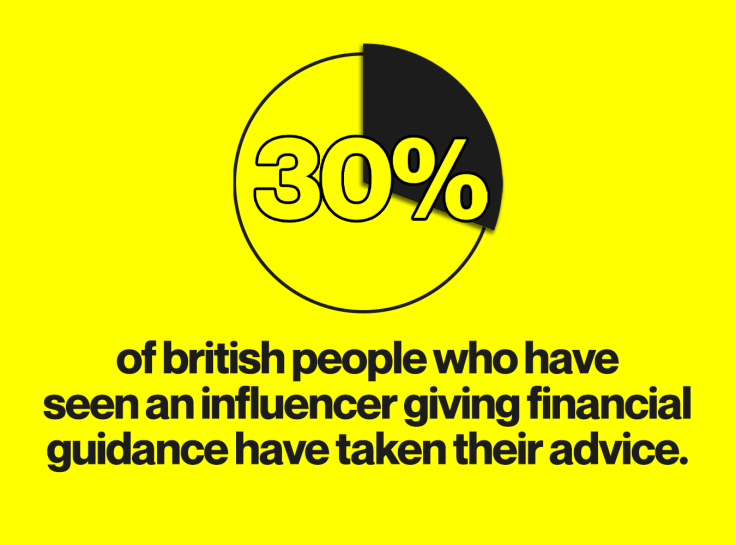
In February 2021, Censuswide research found that 30% of british people who have seen an influencer giving financial guidance have taken their advice. Furthermore, 22% of Gen-Zs that responded to this research declared they looked into Instagram to get financial guidance.
In order to successfully engage with the audience in an ethical way, both brands and creators need to be accountable for the promotional content being promoted. Influencer marketing is built upon trustworthy relationships, therefore reputation and credibility are key aspects to look after, especially with Generation Z who are paying close attention to brands ethical practises.
When promoting financial services, it is key to have that extra care and accountability on following the Advertising Standard Authority (ASA) guidelines, and ensure transparency and responsibility towards the customers.
Earlier this year, Klarna, the Swedish Fin-tech company that allows people to pay for products online in instalments, set up an ‘Influencer Council’ aiming, through the means of a white paper guideline, to give clarity and transparency for customers, brands, influencers, and advertising parties, toward the do’s and don’ts when it comes to advertising financial products and services.
Takeaways and recommendations
People often associate influencer marketing with promoting lifestyle products, but this form of marketing can empower financial services firms, help them reach new audiences, build trust and gain a competitive advantage.
Influencer marketing is an effective means of engaging with customers, showing off a human side, increasing relatability and creating ties and building trust between the financial service firms and their clients.
Choosing the right influencers and drawing up targeted campaigns can break down barriers, make financial products more accessible and provide clarity and reassurance for customers. Remember, people trust people more than institutions or companies.
The right strategy enables financial service firms to go much further than conventional marketing campaigns that aim to boost sales. Influencers can help financial organizations to get ahead and stay ahead by increasing customers’ confidence, opening channels of communication and making financial processes more relatable.
When promoting financial services, it is key to have that extra care and accountability on to protect the customers, and ensure transparency and responsibility towards the content being created.
Are you interested in understanding how influencer marketing can impact your brand?
 SKIN1004 NYC launchTaking SKIN1004 to the streets: A citywide sampling experience driving buzz ahead of the NYC flagship opening.
 Persil x ArsenalBringing "Every Stain Should Be Part of the Game" to life.
 Stories.Quick, easy reads about things we’ve been thinking, feeling and analysing lately. Get scrolling to keep up.
 AI Shopping and Black Friday 2026: Why Credibility, Not Choice, Will Close the SaleAsk most brands what AI will change about Black Friday and you'll hear some version of the same story: the bots are coming for the basket. Shoppers will ask an assistant for the best deal, and the assistant will buy it for them.Read more