Every agency says culture matters. Very few can answer the follow-up question: how would you know if a campaign failed on cultural terms while hitting all its media targets?
That gap is where a great deal of well-produced marketing quietly underperforms. The reach was delivered, the engagement was acceptable, and the audience never felt the brand was speaking to them rather than at them. Nothing in the reporting captures that, so it recurs the following year with a bigger budget.
Working with a genuine cultural marketing agency should mean two things that are harder than they sound. Culture informs the strategy before anything is produced, and cultural resonance is measured rather than assumed. Here’s how that works in practice, and what it has produced.
Culture as decoration versus culture as strategy.
The easiest way to spot the difference is where culture enters the process.
In most campaigns, cultural references arrive at execution: a local phrase in the copy, a nod to a regional holiday, a creator who is popular in that market. None of it is wrong, but it’s culture applied as garnish to a strategy built somewhere else, for someone else, and adjusted at the end. Audiences read that accurately, which is why so much moment-based marketing is received with scepticism regardless of production quality.
Culture-led branding works the other way around. Cultural relevance isn’t a box we tick, it’s a dedicated practice that identifies societal shifts, emerging behaviours and market-specific nuance long before a campaign goes live. As a multicultural agency working across more than 40 countries and 17 languages, we treat lived cultural knowledge as a genuine input to strategy rather than an afterthought layered onto a media plan.
That’s not a positioning statement adopted for convenience. The agency was founded in 2017 in a South London coffee shop by Maira Genovese, a Brazilian founder building an agency that has worked across LATAM, the USA, Europe, SEA, India and Russia since its first two years. Cross-cultural work is the origin, not an expansion.
The framework, stage by stage.
One: identify the shift, not the trend.
Trends are visible and short. Shifts are slower, larger and considerably more useful. Our in-depth cultural analysis identifies societal shifts and emerging trends so a brand’s messaging aligns with the zeitgeist and resonates across diverse demographics and behavioural patterns.
The practical distinction is durability. A campaign built on a trend expires with it. A campaign built on a shift, in how people date, how girls experience sport, how a community sees itself, has somewhere to go next year.
Two: establish the brand’s genuine right to enter.
Not every cultural conversation belongs to every brand, and the failure to ask that question produces the most damaging work in the category. The test is whether the brand has a legitimate relationship to the subject, ideally one visible in the product itself.
Persil is a useful example precisely because the connection is not obvious until it’s stated. Research shows six out of ten girls skip sport because of fear of period stains. A detergent brand has a genuine, non-arbitrary relationship to that problem, which is what gave “Every Stain Should Be Part of the Game” its licence to exist.
Three: build inside the culture’s own formats.
Once the right to enter is established, the work has to be produced in a form the culture already uses, rather than in a brand’s default format.
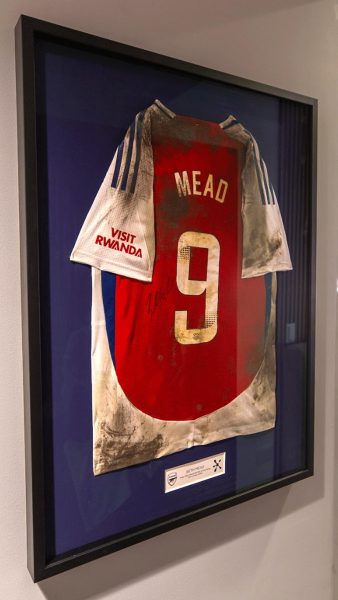
The Persil x Arsenal activation transformed a box at the Emirates Stadium into an immersive experiential space on matchdays, with an interactive Red Card Challenge, a “Period Pantone” wall, and Beth Mead’s framed and deliberately stained kit. Influencers, creators and changemakers were brought in as amplifiers rather than guests. The campaign generated 8.9 million views and impressions and more than 234,000 engagements.
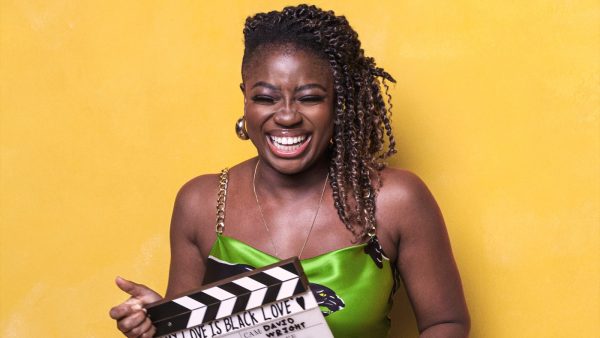
For Bumble, the format was a YouTube series. #MyLoveIsBlackLove celebrated what Black love really means in Britain today, built on the finding that more than half, 57%, of Black people in the UK have experienced racism or racial bias while on a date. MG Empower engaged inspiring British artists, actors, athletes, entrepreneurs and activists to represent the breadth of real, uniquely British Black love stories. It ran across Black History Month in both 2020 and 2021, and produced a 10% engagement rate, 20,000 organic shares and more than 75 media pieces, winning at both the Influencer Marketing Awards and the Digiday Awards.
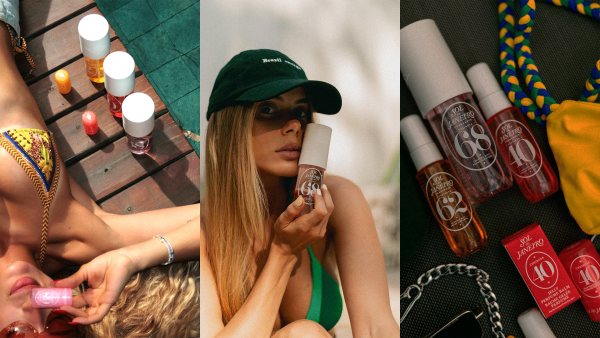
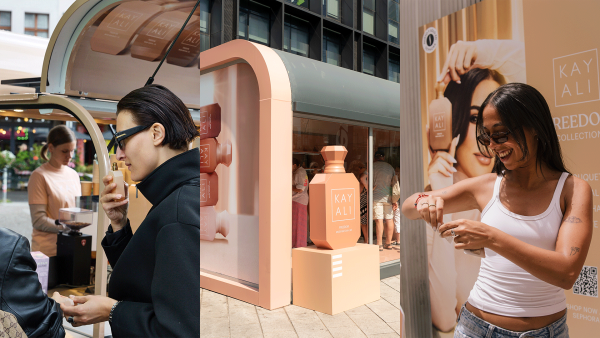
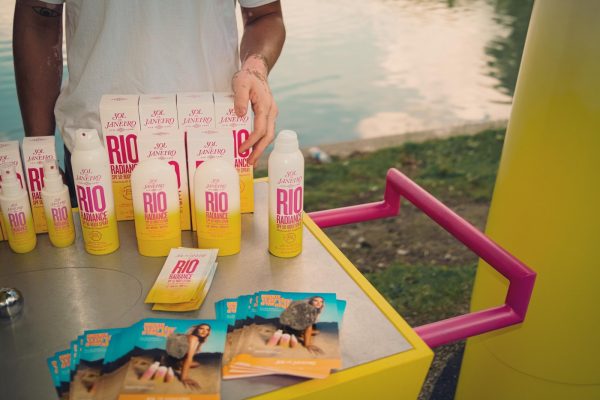
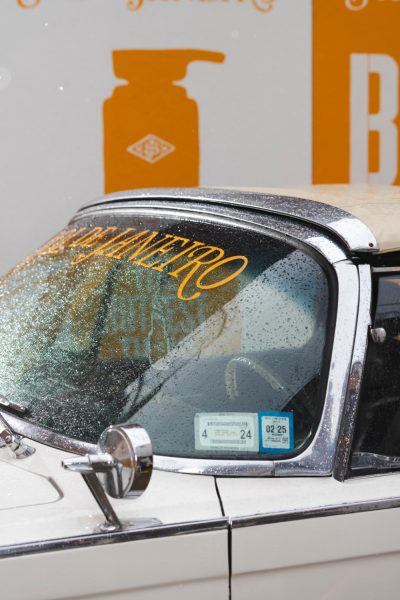
In Brazil, the format was a street party. Sol de Janeiro’s Badalada launch brought a high-energy celebration of culture, community and content to life, alongside the brand’s Carnaval activations, entering the country’s largest cultural moment on the moment’s own terms rather than treating it as a backdrop. For Lattafa’s entry into Brazil, a two-week interactive retail activation generated 400 pieces of user-generated content and an estimated 4.4 million impressions.
Different countries, different formats, same discipline: the culture decided the shape of the work.
Four: measure whether the culture accepted it.
This is the stage most agencies skip, and it’s the one that makes the rest defensible.
We recognise that cultural impact can be a transformative KPI for campaigns. In practice that means tracking sentiment alongside the headline numbers, watching whether organic conversation reads as genuine enthusiasm or polite silence, and treating cultural alignment as a metric in its own right for luxury and lifestyle brands rather than an assumption.
The signals worth watching are specific. Organic shares, as with Bumble’s 20,000, measure audiences volunteering to attach their own name to a brand’s message, which is very difficult to manufacture. Earned media volume indicates editors judged the work to be a story. Unprompted purchase intent in comments indicates an audience that moved itself.
A campaign that hits its reach target while missing on cultural resonance hasn’t succeeded. It has found an efficient way to be ignored by the people who mattered most.
The position, set out publicly.
We’ve made this argument in the open rather than keeping it as an internal talking point. Our white paper, Let’s Talk About the C-Word, explores the power of culture-led branding and how it helps businesses build lasting, authentic relationships with their audiences in a highly fragmented digital world.
Publishing the reasoning, rather than only demonstrating it inside client work, is part of the evidence that this is a considered position rather than a slide added to make a pitch sound thoughtful.
What to ask a cultural marketing agency.
The pitch language in this category is close to identical across agencies, so the useful questions are narrower.
How would you know if a campaign failed culturally but hit its media targets? An agency without an answer isn’t measuring culture, it’s assuming it.
Who does the cultural research, and is it continuous or a pre-launch exercise? Culture moves. A one-off input at the briefing stage ages quickly.
Can you show a campaign where cultural insight changed the strategy, not just the creative? Most agencies can show localised execution. Fewer can show a strategy that was structurally different because of what the research found.
Does the work return? Bumble’s ran twice. A brand that appears once is participating in a moment; a brand that returns is building a position.
This sits at the centre of our integrated marketing strategy practice and shapes how we brief influencer marketing, social, experiential and creative work, because a cultural insight that only reaches one channel was never really a strategy. You can see the range across our case studies, and more on how creator selection carries cultural credibility in multi-tier influencer procurement.
Frequently asked questions.
What is culture-led branding? Culture-led branding builds a brand’s relevance around genuine cultural understanding, including societal shifts, community values and local traditions, rather than applying generic messaging uniformly across markets. The cultural insight shapes the strategy before production begins, rather than being added to the creative at the execution stage.
How is cultural impact measured as a KPI? Through signals that indicate acceptance rather than exposure: sentiment analysis, organic shares, earned media volume, unprompted conversation and qualitative feedback from the specific community a campaign targeted. Bumble’s #MyLoveIsBlackLove generated 20,000 organic shares and more than 75 media pieces alongside a 10% engagement rate.
Does a brand need a genuine connection to a cultural subject? Yes, and it is the first question worth asking. Persil’s campaign around period stains in sport worked because a detergent brand has a legitimate, non-arbitrary relationship to that problem. Without that connection, cultural marketing reads as opportunistic regardless of how well it is produced.
What is MG Empower’s white paper on culture? Let’s Talk About the C-Word explores the power of culture-led branding and how it helps businesses build lasting, authentic relationships with their audiences in a highly fragmented digital world.
Start with the culture, not the campaign.
If your campaigns land everywhere except with the audience they were built for, the issue is usually that culture entered the process too late to change anything structural. Our team can walk through how cultural analysis would reshape your next brief, from the insight through to how success gets defined. Get in touch to talk it through.
MG Empower is a global integrated marketing agency founded in London in 2017, building culture-led strategies for brands across more than 40 countries and 17 languages. To build a campaign grounded in real cultural insight, get in touch with our team.
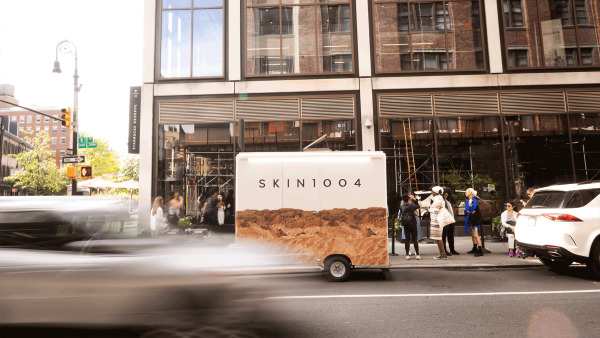
 SKIN1004 NYC launchTaking SKIN1004 to the streets: A citywide sampling experience driving buzz ahead of the NYC flagship opening.
 Persil x ArsenalBringing "Every Stain Should Be Part of the Game" to life.
 Stories.Quick, easy reads about things we’ve been thinking, feeling and analysing lately. Get scrolling to keep up.
 AI Shopping and Black Friday 2026: Why Credibility, Not Choice, Will Close the SaleAsk most brands what AI will change about Black Friday and you'll hear some version of the same story: the bots are coming for the basket. Shoppers will ask an assistant for the best deal, and the assistant will buy it for them.Read more