16 June 2026Written byBeatriz Ferraz PortoPR & Communications Manager
What’s next for sports sponsorship in 2026
Share
2026 will not simply be another year of major sporting events. For brands, it will be a turning point in how sponsorship is planned, activated and measured.
Sport remains one of the world’s most powerful cultural forces, but the commercial model around it is shifting. There will be more events, more content and more sponsor presence than ever before. At the same time, attention is becoming harder to earn and easier to lose. In that environment, visibility alone no longer guarantees value.
The old formula of logo exposure and broad association is losing strategic weight. What matters now is whether a brand can create relevance, credibility and experience in a way that feels genuine to the audience.
Passive sponsorship is no longer enough
In 2026, sponsorship will need to work harder. Fans are more selective, more commercially aware and more sceptical of brand behaviour that feels detached from the sport itself.
That means exposure on its own is no longer enough. Reach may still matter, but it is no longer the main differentiator. The brands that stand out will be the ones that move beyond presence and create something that genuinely adds to the fan experience.
This is the year where sponsorship shifts from association to participation.
AI is raising the value of authenticity
AI will influence every part of marketing in 2026, including sponsorship. It will help brands move faster, produce more content and optimise at scale. But sport is emotional, human and rooted in real communities. If content feels over-engineered or culturally empty, audiences will recognise it immediately.
That creates a new challenge. Brands will need to use AI as a strategic tool, not a substitute for real creative judgement. In a content environment shaped by speed and automation, authenticity becomes more valuable, not less.
Major events require more sensitivity, not just more spend
2026 will bring major global sporting moments with enormous commercial potential. But scale also creates risk. More sponsor inventory, more broadcast extensions and more branded activations can easily lead to over-commercialisation if the fan experience is not protected.
For brands, the challenge will be balance. They will need to think carefully about how they use scale, how they localise their activations and how they create stories that last beyond the event itself.
The strongest work will not treat global tournaments as short-term spikes. It will use them as platforms for longer brand narratives.
B2B brands are redefining value in sport
One of the most important changes in 2026 will come from B2B brands. More of them will move into premium sports properties, not to chase broad consumer awareness, but to build influence and relationships in a fragmented market.
Sport offers something unusually powerful in that context. It creates credibility, access and a setting where brands can build meaningful engagement with decision-makers and communities.
For B2B, the smartest activations will focus less on static placements and more on curated experiences, thought leadership and community-building.
Women’s sport is entering a more competitive phase
Women’s sport will continue its commercial rise, but the next shift is likely to be psychological as much as financial. The conversation is moving away from simple momentum and towards competitive intensity, performance and spectacle.
That matters because brands will need to move with it. Sponsorship in women’s sport can no longer rely only on purpose-led positioning. It needs to reflect the competitive energy, emotional stakes and cultural relevance that make sport compelling in the first place.
The brands that commit properly will build long-term credibility. The ones that treat it as a seasonal opportunity will struggle to resonate.
Direct-to-fan ecosystems are reshaping sponsorship
Athletes, clubs and leagues are increasingly operating as media entities in their own right. As owned channels become more influential, sponsorship assets are becoming more flexible and more decentralised.
This opens new territory for brand collaboration, from creator-led partnerships and community activations to documentary-style storytelling and hybrid digital-physical formats.
For brands, this means more creative opportunity, but also greater pressure to stay agile. The future of sponsorship is unlikely to be defined by fixed rights packages alone. It will be shaped by partnerships that can adapt to audience behaviour in real time.
What 2026 will demand from brands
To succeed in this environment, brands will need more than scale and spend. They will need cultural literacy, long-term commitment, strong creative instincts and a better approach to measurement. Vanity metrics will matter less than models that show real strategic return.
MG Empower perspective
At MG Empower, we see the next evolution of sports sponsorship at the intersection of culture, experience and performance.
For us, the most effective partnerships are no longer built around visibility alone. They are built around community narratives, immersive activation and meaningful dialogue between brands and audiences. That means treating sponsorship as a platform for connection, not just a badge of association.
In 2026, the brands that will lead are the ones that understand sport not as a media transaction, but as a cultural partnership. That shift will define the next era of sponsorship.
The next era of sports sponsorship
2026 will not be remembered only for the number of tournaments it hosts. It will be remembered for how intelligently brands respond to a more sceptical audience, a more fragmented ecosystem and a more demanding commercial landscape.
Sport still offers extraordinary power. The question for brands is no longer whether they should invest. It is how intelligently, how creatively and how authentically they choose to play.
Beatriz leads MG Empower's marketing and communications strategy, overseeing content across digital and social channels. She also heads Talent Management for The Unknown, managing creator, client and internal collaboration, and leads the agency's presence at industry events, talks and awards from planning through to delivery.
 SKIN1004 NYC launchTaking SKIN1004 to the streets: A citywide sampling experience driving buzz ahead of the NYC flagship opening.
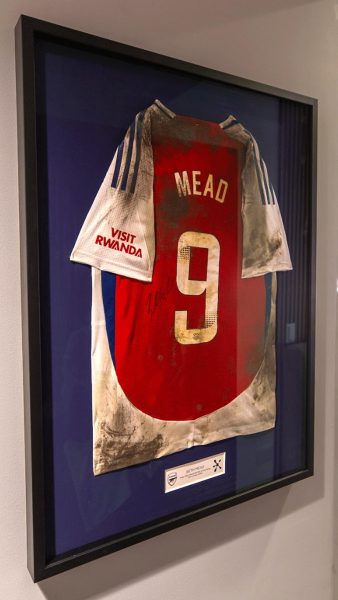
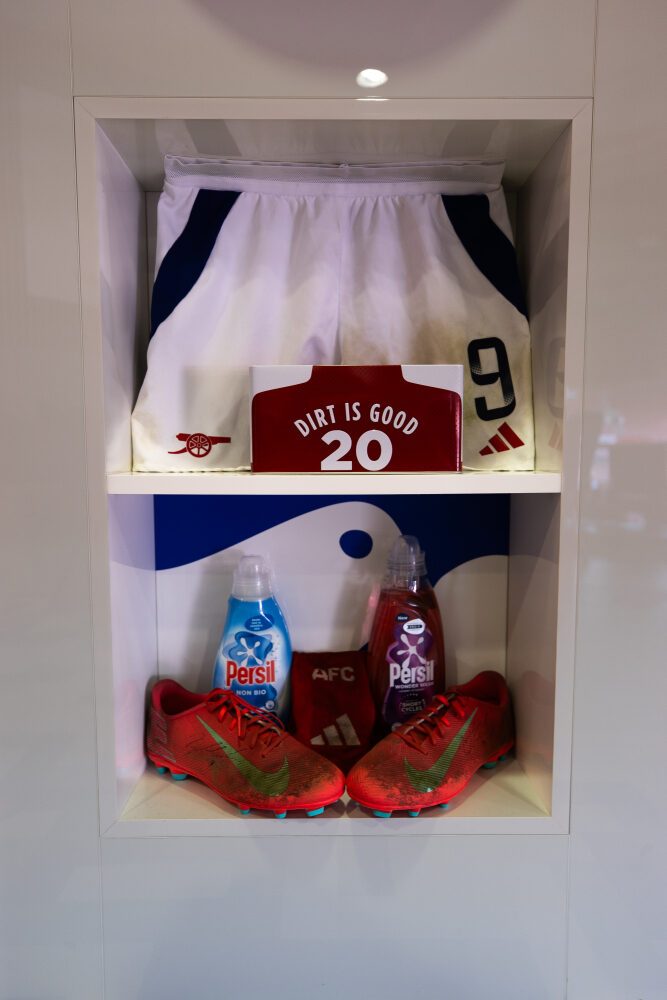
 Persil x ArsenalBringing "Every Stain Should Be Part of the Game" to life.
 Stories.Quick, easy reads about things we’ve been thinking, feeling and analysing lately. Get scrolling to keep up.
 The Flat Fee Fix: How to Build Creator Partnerships That Last Beyond One CampaignAsk most brands why their creator programme isn't moving to performance pay and you'll hear the same answer: the creators won't go for it. Every time commission comes up, the best ones say no and ask for their usual flat fee.Read more
 AI Shopping and Black Friday 2026: Why Credibility, Not Choice, Will Close the SaleAsk most brands what AI will change about Black Friday and you'll hear some version of the same story: the bots are coming for the basket. Shoppers will ask an assistant for the best deal, and the assistant will buy it for them.Read more