Many brand managers have watched the success stories surrounding the gaming industry and wonder how to tap or streamline operations to be as successful.
“
Video gaming and eSports became very popular in 2020, as they improved consumer experience, offered great storytelling and had a valuable interactive nature in their offering.
”
They centred innovations on technology advancements and created engaging and loyal communities.
Globally, 82% of the population played video games during the lockdown, with the USA, France, and the UK having the highest increase in video game lovers at 46%, 41% and 28%, respectively.
People watched 8.8 billion hours of video game Livestream globally in the Q1 of 2021, 3.6 billion hours more than in 2019.
As realized, the gaming industry has by far outperformed the music, art, and film industries to be the most successful industry globally. As American author and philanthropist Tony Robbins said, “If you want to be successful, find someone who has achieved the results you want and copy what they do.”
What can be learned from the Gaming Industry?
Some brands in the fashion industry such as Louis Vuitton and Burberry, are already tapping into gaming and eSports success. Content creators, social media marketers, and every digital marketing expert have something to draw from this niche.
First, brands need to understand why the gaming industry is so successful, and then apply the learnings by tailoring them into their brand strategies, in alignment with their industry insights and most importantly audience behaviours and needs.
Create More Engaging Consumer Communities.
The gaming industry is very influential and successful in creating communities around their different virtual products. Having community managers who directly interact with consumers can help brands understand their target audience needs and craft products proactively.
A marketing strategy can only be successful when businesses work together with the target market and are able to foresee the role that influencers can play in the strategy, by assuming the position of community managers, as the gaming industry has.
Content creators are the leaders of their communities and have a broad and in-depth understanding of their desires, behaviours and sentiments. This is a power brands need to learn to tap into. As community managers, influencers have a direct communication flow with the brand target audience that allows them to accurately know how to engage, grow their community, and request from them insights in the form of opinions.
As brands concentrate on communities, they’ll understand how to create multiple products that appeal to the audience and that will be received by the market with a higher success rate.
Improved Customer Experience.
The gaming industry has understood how to create the right customer experience. One way brands can relate to their audience is by creating emotionally engaging products. Improved user experience creates an emotional bond that makes consumers prefer certain products over others.
Consumers should play the lead role in any production process, making them the hero of the entire storyline. This concept is fundamental when designing e-commerce products, thus there is less physical or in-store engagement.
Furthermore, emotionally connecting with customers keeps the relationship strong, increasing demand for products and customer value.
As brands strive to improve customer experience, simplicity should be at the centre of the processes. User-friendly interfaces or interaction, easy-to-navigate platforms or consumer journeys, and understandable instructions are just some of the key points to focus on to create a fun and enjoyable experience for customers.
The overall interaction should not be a basic exchange of money for products, but a fun, innovative and interacting experience consumers can look forward to every day. Because consumers love emotional incentives, brands should create leaderboard innovations that enable customers to compete and celebrate their achievements.
One of the key success factors from the gaming industry is the power and ability that gamers have to listen attentively to their community in real-time, and shape the experience based on their community inside, again in real-time. Imagine brands being able to build live experiences that would be shaped based on their audience instant feedback. This will undeniably create a strong partnership between the brand, the influencer and the community and will create an open dialogue that humanizes the brand and creates emotional connections.
Active customer feedback helps a company’s marketing campaigns shift their focus from profits to meeting consumer needs, and go beyond a commercially driven strategy.
Tapping into the World of Gaming and eSports.
According to Reuters’ last report on the gaming industry, it is estimated that the overall business will generate a revenue of around $159.3 billion by the end of 2020. These figures will increase to more than $200 billion by 2023.
Marketing professionals who tap into this market or collaborate with gaming experts to market their products can quickly reach this desirable market. If a brand’s marketing efforts focus correctly and strategically on attracting the population in this niche, it has a high probability to find success not only commercially but also for community building.
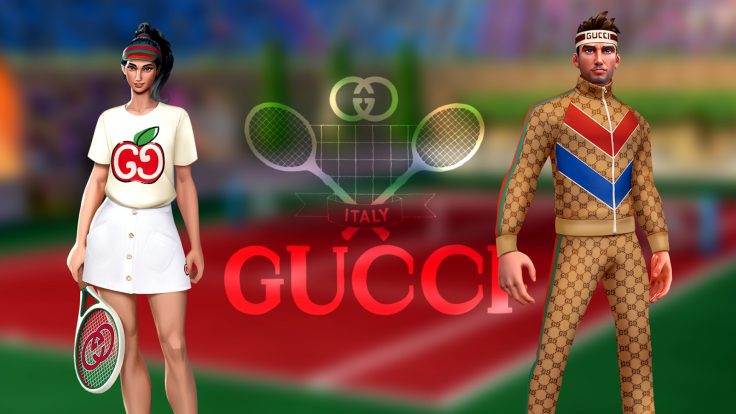
In the past year, there have been a high number of collaborations between the gaming and fashion industry, with creative marketing ideas that combine the best of both worlds. Some of the most notable collaborations are the Gucci Arcade and Tennis Clash and last year’s April capsule collection launched by Moschino in partnership with The Sims, allowing gamers to dress their avatars on the brand’s new collection pieces and unlock a new career option as a fashion freelance photographer.
As brands look for collaboration opportunities, it is key they look for ways in which their efforts can be successfully amplified and reach an audience ready to engage. Therefore, it is important to realize that the gaming industry has had tremendous success in integrating technology in various products, making AR (augmented reality) and VR (virtual reality) possible. Now is the job of the brands to take these technology and innovation opportunities to a new level with the right cultural voices as partners.
Key takeaways and learnings.
The gaming industry is very influential and successful in creating engaged, outspoken and loyal communities.
The gaming industry has by far outperformed the music, art, and film industries to be the most successful industry globally.
People watched 8.8 billion hours of video game Livestream globally in the Q1 of 2021, 3.6 billion hours more than the figures in 2019.
The fashion industry is taking the lead in collaborating and tapping into the success of the gaming and eSports business. Content creators, social media marketers, and every digital marketing expert have something to draw from this niche.
The gaming industry understands how to create the right customer experience, and shape the journey in real-time, based on audience feedback.
Marketing professionals who tap into this market with the right partners and collaborate with gaming lookalike experts to market their products can quickly reach a mature market.
Consumers also appreciate the advancements in technology, making them lean towards brands that quickly adapt to the changes and that are able to successfully amplify their innovations through the right voices.
 SKIN1004 NYC launchTaking SKIN1004 to the streets: A citywide sampling experience driving buzz ahead of the NYC flagship opening.
 Persil x ArsenalBringing "Every Stain Should Be Part of the Game" to life.
 Stories.Quick, easy reads about things we’ve been thinking, feeling and analysing lately. Get scrolling to keep up.
 AI Shopping and Black Friday 2026: Why Credibility, Not Choice, Will Close the SaleAsk most brands what AI will change about Black Friday and you'll hear some version of the same story: the bots are coming for the basket. Shoppers will ask an assistant for the best deal, and the assistant will buy it for them.Read more