fbpixel Pintentional: Unpacking the healthy relationship between brands and consumers on Pinterest | MG Empower
MGE_SOC_Pinterest_Workshop_Moodboard_Cover_050923

Let’s get Pintentional: Unpacking the healthy relationship between brands and consumers on Pinterest.

Share

When it comes to media’s best practices, the only constant is change – particularly when your audience’s behaviour is both the most unpredictable and the most important factor in choosing that ‘perfect moment’ for an ad to show up. But what if one social platform had a userbase known for having a consistently intentional and ad-receptive mindset? Pinterest, according to its Head of Home, Matthew Siberry, is that platform. Let’s explore.

When Matthew from Pinterest spoke on our podcast, and even gave our team a live masterclass in our London office, he shed light on what sets the platform apart from others: rather than doing everything it can to keep users online, Pinterest’s ultimate goal is for people to use it for inspiration – and then go off and do ‘the thing’. Whether that’s planning for a party, an outfit or a new living room.

“Social media in general is in a race to the bottom of the brainstem. But with Pinterest, we’re helping people and driving that dream creation. That, ultimately, is what we want. We want you to design those boards, dream big, think about the things you want, manifest that and go get it. That’s Pinners have such a fundamentally different mindset.” – Matthew.

The difference boils down to intention. Where Meta and TikTok concern themselves with the past, and SnapChat and BeReal with the present, Pinterest is all about the future. Pinners are planning the party, not living or reliving it. What that means for brands is that, on Pinterest, you have the advantage of contextual relevance. Rather than disrupting the consumer’s journey, you can capture people in the moments they need you most.

Brands are ‘additives’ on Pinterest.

All of this might sound like bluesky thinking, but it’s backed by data. According to research, 9 in 10 users say Pinterest is ‘an online oasis’. And in surveys, Pinterest regularly comes out on top as the most trusted social platform.

But how did it get there?

In the early days, Pinterest was literally just a place to save and collect photos found on the internet. And after a while, what Pinterest found was that people were loving the products they saw in the photos, but they lacked a clear path to purchase. So the platform got more sophisticated, adding brands to the platform and making them a valuable part of the user experience. It’s exactly this organic story arc that gives brands an edge on Pinterest – they don’t feel like an unwanted nuisance.

To illustrate the point, Matthew paints a picture: “The biggest advice we give to brands is that, when you’re thinking about showing up on Pinterest, show up in a way that’s going to help people. And that’s across everything. There’s an assumption that [because of the platform’s ‘online oasis’ status] sales messaging doesn’t work on Pinterest. But actually, it does. Because if I’m there looking at decking, and B&Q shows up with a 20% discount, that’s exactly the time and place I want to see that promotion.”

There’s even more untapped potential to discover on S3 E09 of Influencer Marketing Uncovered: The Definitive Guide to mastering Pinterest, where Matthew joined us in the MG Empower studio. Listen now for the inside scoop on Pinterest’s algorithm, statistics that will blow your mind, and our Paid Social Manager, Beatrice Quarshie’s thoughts on some of the platform’s newest ad formats and why she loves incorporating them into a smart media mix.

Read more.

20261021-143951
AI Shopping and Black Friday 2026: Why Credibility, Not Choice, Will Close the Sale

Ask most brands what AI will change about Black Friday and you'll hear some version of the same story: the bots are coming for the basket. Shoppers will ask an assistant for the best deal, and the assistant will buy it for them.

Read more.

CS_Airalo
Paid Media Meets Influencer Marketing: How We Amplify Campaigns Beyond Organic Reach.

The content is good, the creator is right, the engagement rate is respectable, and then the post simply stops reaching people, because every major platform's algorithm exists to keep users scrolling rather than to guarantee a brand's content finds its intended audience.

Read more.

9K1A2083 (1)
How MG Empower Turns Cultural Insight Into Brand Growth: A Culture-Led Marketing Framework.

Every agency says culture matters. Very few can answer the follow-up question: how would you know if a campaign failed on cultural terms while hitting all its media targets?

Read more.

Cropped Trenches-2
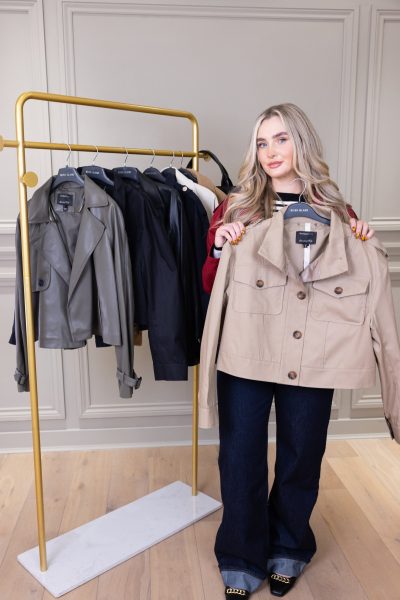
UGC and Social Commerce for Ecommerce Brands: What River Island’s Social Strategy Teaches.

There's a version of the UGC conversation that most ecommerce brands have had internally, and it usually goes wrong in the same place. Somebody points out that user generated content converts better than brand content. Somebody else points out that it's cheaper to source.

Read more.

WhatsApp Image 2026-06-27 at 21.16.43
AI in Influencer Marketing: How MG Platform Picks the Right Creator, Not Just the Biggest.

Almost every agency is publishing something about AI right now, and most of it says the same thing: AI is transformative, it will change everything, brands should prepare.

Read more.

CS_BUM_1
Enterprise Influencer Campaigns That Actually Move the Needle: Inside Bumble’s Award-Winning Black History Month Campaign.

There's a particular way that large brands get influencer marketing wrong, and it isn't the way people expect. Enterprise campaigns rarely fail on execution.

Read more.

CS_Badoo
Influencer Marketing for Tech and App Brands: What Badoo’s 23.6% Engagement Campaign Proves.

There's a structural problem in marketing an app or a tech product through influencers that most agencies underestimate.

Read more.

Copy of DSCF0419 (1)
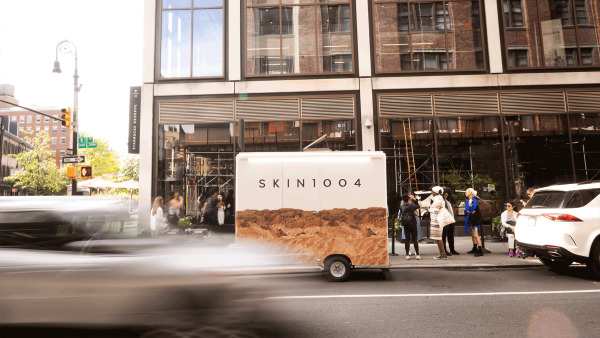
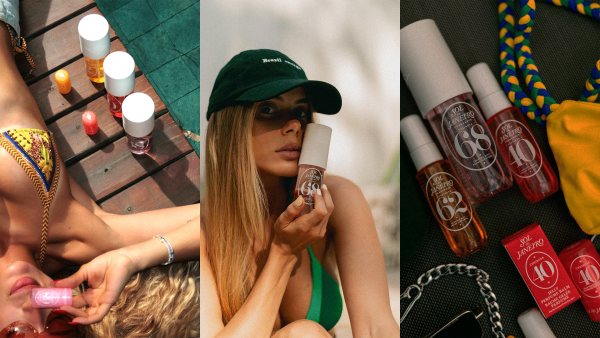
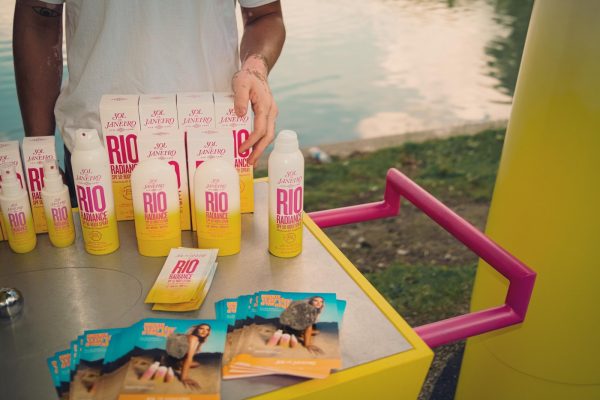
Beauty Influencer Marketing ROI: Real Benchmarks From SKIN1004, Sol de Janeiro and amika.

What beauty influencer campaigns actually return, benchmarked against three real launches for SKIN1004, Sol de Janeiro and amika across different markets.

Read more.

240129HighlandPark675 (1)
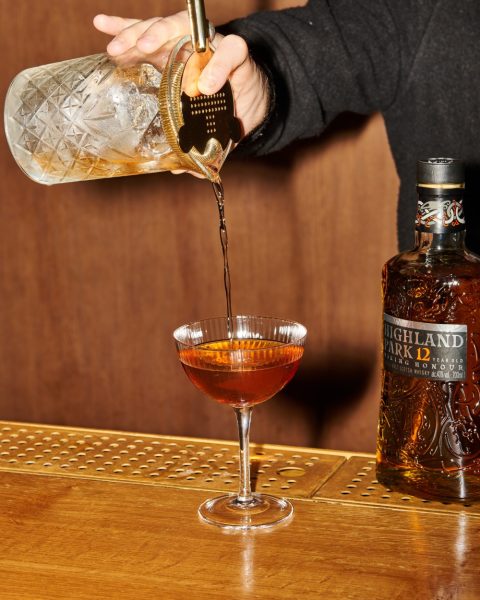
Brand Storytelling That Converts: The Content Framework Behind Highland Park’s 34 Million Impressions.

There's a specific kind of frustration that comes with a brand account that's doing everything right on paper. The photography is good. The posting cadence is consistent. The captions are on-brand. And the numbers stay stubbornly flat, month after month, while a competitor with worse production values somehow builds a following that actually talks back.

Read more.

9K1A1273 (1)
Brand Activation in London: How MG Empower Bridges Offline Experiences With Digital Amplification.

London runs on brand activations. In any given month there's a pop-up in Shoreditch, a launch party in Mayfair, an immersive room somewhere in Hackney Wick, and a stadium takeover that cost more than most annual marketing budgets. Most of them are well produced.

Read more.

How can we empower your brand?

LET’S CONNECT

© MGEmpower 2026
PART OF
Get in Touch