A Shift to the Simple
To say that influencer marketing has become a lucrative industry is an understatement. By the end of 2019, the industry was estimated to have a value of $8 billion. This influx of money saw successful influencers going from utilizing the occasional filter on their content, to utilizing entire production teams. However, with social distancing mandates shutting down studios and prohibiting conglomerations of people, many were forced to move back to basics when it came to producing content. But this shift to simple happens to be inline with a growing demand for no frills, authenticity in the industry.
For many of us, the global pandemic has acted as something akin to a great equalizer. This new set of shared circumstances has brought influencers and their followers closer. The content that is doing well post-pandemic, is the content emphasizes these shared circumstances, content that is less aspirational and more grounded.
Exploring More Diverse Content
However, while a back to basics approach can work well for some influencers, for others it’s just not an option. Travel influencers were some of the hardest hit during the pandemic With travel restrictions and social distancing guidelines becoming stricter throughout the crisis, many bloggers who had risen to fame by documenting their travel exploits found their web traffic numbers plummeting as they failed to post new and engaging content. But while some influencers made the decision to try and ride out the pandemic, others were forced to look beyond travel exploits and diversify their content in new ways.
Historically, brands have used a “pivot” to denote a marked shift in strategy. Today’s influencers are no different. During the advent of the pandemic, travel bloggers the Nomadic Boys saw the opportunity to change the focus of their content to at-home fitness. Despite the shift however, the influencers have still reported an overall drop in traffic.
Nonetheless, influencers stepping out of their bag to explore more diverse content isn’t a bad thing. If anything, this pivot is creating more diverse small scale content while highlighting the multifaceted nature of influencers. The post-pandemic world is one where fashion bloggers are just as likely to invite you into their kitchen and share a recipe as they are to invite you into their closet.
More Varied Partnerships
But even as brands and ad agencies were putting a freeze on influencer marketing campaigns, the pandemic created the opportunity for some influencers to branch out and partner with different entities.
In an effort to combat misinformation around the virus, the UK government launched an influencer-based initiative. With social media engagement at an all-time high, the campaign utilized what many a brand have come to depend on influencers for, increased reach and a personal connection with followers, and used it instead to safeguard public health.
Similarly, cities in the U.S have followed suit, paying influencers for PSA’s that aim to leverage their personal brands. And while some debate the ethics of paying influencers for PSA’s, the success of the campaigns has opened another line of revenue for social media stars and expanded the role they play in society.
Increased Responsibility and Production Power
While some brands adopted a “wait and see” approach to their influencer marketing campaigns early on, others saw influencers as an opportunity to offset the damage done by the shutdown. With studios shuttered and many production teams forced into quarantine, brands that have continued to invest in influencers have found a cost effective alternative to traditional production agencies.
When it comes to content creation, not just promoting a product but crafting a vision and message, influencers are uniquely positioned to function as one-person production teams.
A Greater Emphasis on Trust
For many of us the global pandemic has proven to be a time of introspection and evaluation. For influencers and brands, it has forced them to re-evaluate their relationships, both with the content they produce and with the people who consume it.
The new role of the influencer is one that brings them closer than ever to their followers. And whether it’s through diversifying their content, partnering with government agencies, or beefing up their content production responsibilities, the foundation must be built on trust rather than admiration.
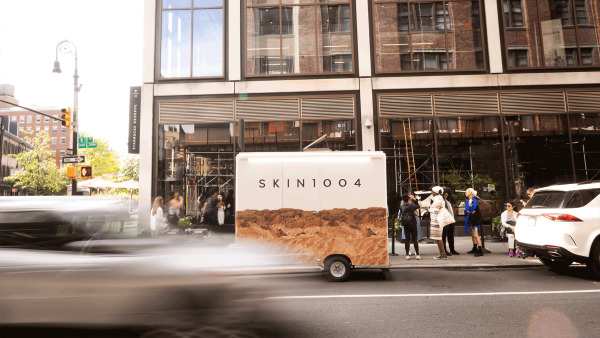
 SKIN1004 NYC launchTaking SKIN1004 to the streets: A citywide sampling experience driving buzz ahead of the NYC flagship opening.
 Persil x ArsenalBringing "Every Stain Should Be Part of the Game" to life.
 Stories.Quick, easy reads about things we’ve been thinking, feeling and analysing lately. Get scrolling to keep up.
 AI Shopping and Black Friday 2026: Why Credibility, Not Choice, Will Close the SaleAsk most brands what AI will change about Black Friday and you'll hear some version of the same story: the bots are coming for the basket. Shoppers will ask an assistant for the best deal, and the assistant will buy it for them.Read more