London might be the most crowded experiential market in the world. On any given week, brands are pouring budget into pop-ups, launch parties, stadium takeovers and immersive rooms and a startling number of them are forgettable by the following Monday. The space looked incredible. The canapés were excellent. And almost no one remembers which brand paid for it.
That’s the uncomfortable truth most agencies won’t say out loud: spend rarely equals impact. Choosing the right experiential events agency in London isn’t about who can throw the most impressive party – it’s about who understands why most brand experiences quietly fail, and how to engineer ones that actually shift perception. At MG Empower, we’ve produced experiences from the Emirates Stadium to Miami Art Basel. Here are the five mistakes we see London brands make again and again and how to fix each one.
Mistake 1: Designing for the venue, not the emotion.
Too many briefs start with the space. A beautiful warehouse, a rooftop, a gallery and then the concept is reverse-engineered to fit it. The result photographs well and feels hollow, because a venue is a container, not a reason to care.
The fix. Start with the emotion you want people to leave with, then design everything backwards from there. Experiential marketing works when it compels feeling and resonates on a deep-seated level – when every touchpoint, sensory detail and interaction reinforces one core message. Get the emotion right and the venue becomes a stage for it. Get it wrong and the most stunning space in London still won’t save you.
Mistake 2: Chasing the photo op, not the memory.
A viral moment feels like proof of success. But a queue for a photo wall is not the same as brand recall, and the two are constantly confused. Guests will happily shoot content in front of anything eye-catching – and forget the brand behind it within days.
The fix. Optimise for information retention, not just impressions. The strongest experiences create a cultural and emotional connection that resonates long after the event ends and builds lasting brand recall. That means designing moments that teach the audience something, involve them in the story, and tie the brand meaningfully to a lifestyle or a value – so the memory carries the brand with it, not just the photo.
Mistake 3: Treating the event as the finish line, not the launchpad.
The single most expensive mistake in experiential: pouring everything into one night, then letting it evaporate. A live event only ever reaches the people physically in the room. If the activation isn’t built to travel, most of the budget dies at the door.
The fix. Treat every activation as an ecosystem of influence that bridges offline engagement with digital amplification. Build influencer marketing attendance and social amplification into the concept from the first brief, not as an afterthought bolted on later. Done properly, the room becomes the launchpad and the real reach happens afterwards, across communities – an approach we explore in depth in our take on integrated experiential marketing for the hybrid era.
Mistake 4: Measuring footfall, not impact.
“We had 800 people through the door” is the kind of number that sounds like success and tells you almost nothing. Footfall measures logistics, not whether the experience moved anyone or did anything for the brand.
The fix. Measure what respects the objective: earned media value, the volume and quality of organic content attendees create, sentiment, share of voice and lift in brand recall – tracked with real-time data during the activation and a rigorous post-event analysis. Data-led execution is what separates an experience that felt good from one you can prove worked, and it’s what informs the next one.
Mistake 5: Entertaining, but forgetting to educate, engage and inspire.
Entertainment alone is the shallowest form of experiential. It’s pleasant, it’s easy to forget, and it does little for the brand. The experiences that stick do more than amuse.
The fix. Design against four pillars – entertain, educate, engage and inspire. Entertainment earns attention; education gives the audience something to take away; engagement makes them active participants rather than spectators; and inspiration connects the brand to something they care about. When all four are present, an event stops being a nice evening and becomes a genuine brand experience.
Proof it works: Persil x Arsenal at the Emirates.
Principles matter more when they’re tested in the real world. Our Persil x Arsenal “Every Stain Experience” is a clear example of getting all five right.
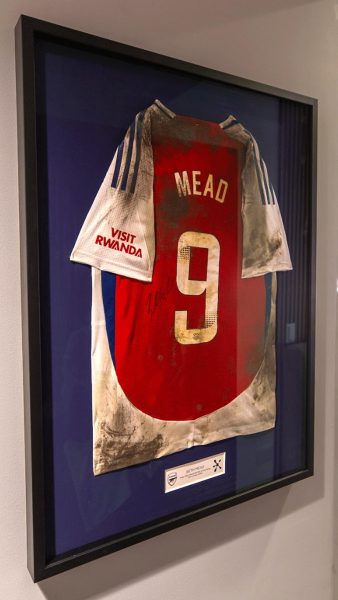
Partnering with Persil (Dirt Is Good) UK and Arsenal Women’s Football Club, we transformed a box at the Emirates Stadium into an immersive experiential space on matchdays – the launchpad for Persil’s campaign “Every Stain Should Be Part of the Game.” The concept was built on emotion and purpose, not spectacle: research shows six in ten girls skip sport for fear of period stains, and the activation was designed to challenge that stigma head-on. An interactive Red Card Challenge, a striking “Period Pantone” wall and Beth Mead’s framed, deliberately stained kit turned guests into active participants in the message rather than passive attendees.
Crucially, it didn’t end at the stadium. A carefully selected group of influencers, creators and changemakers amplified the message across their communities, generating significant organic content and extending the campaign’s reach far beyond the room. As Founder & CEO Maira Genovese put it, the creative and influencer strategies were critical precisely because the campaign was integrated by design. That’s the difference between an event and an ecosystem.
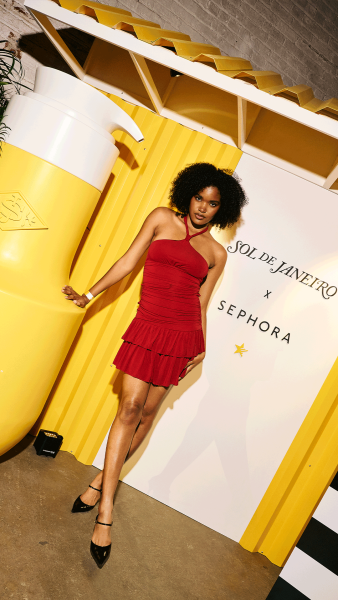
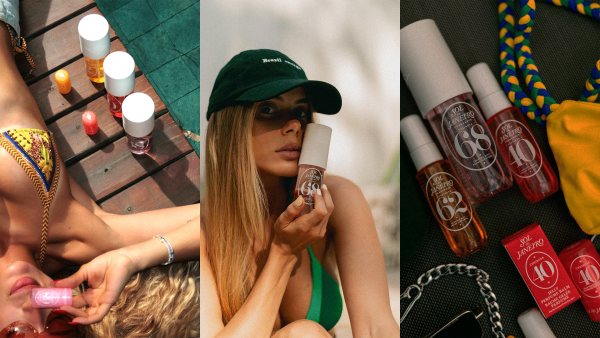
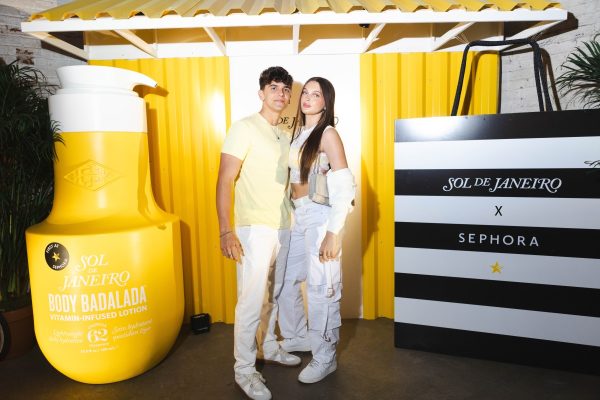
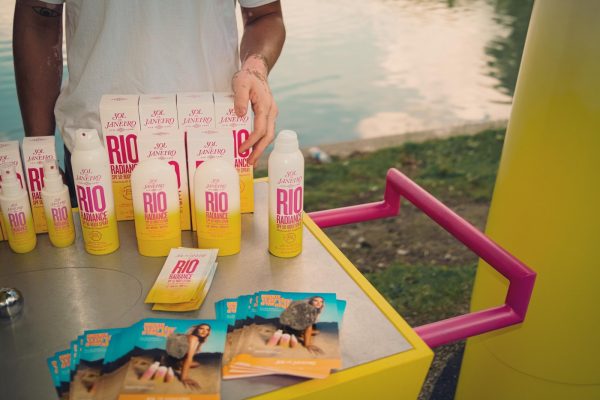
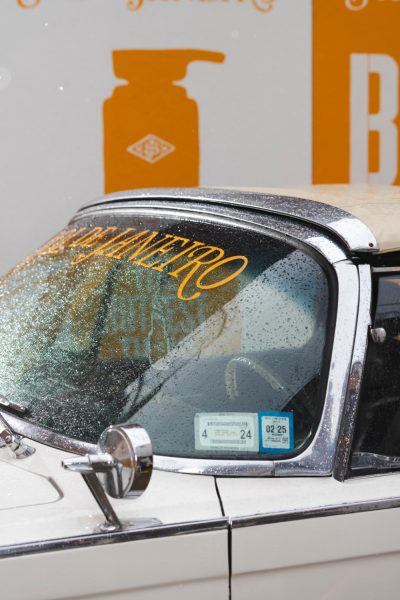
It’s the same thinking behind our award-recognised work: the Rio Radiance SPF launch for Sol de Janeiro – the Rio-Apply Kiosk – was shortlisted at The Drum Awards 2024 in the Experiential Activation to Launch a Brand/Product category. You can explore our case studies for more.
What an experiential events agency in London should actually deliver.
Fixing these mistakes isn’t about a bigger budget. It’s about an end-to-end capability that most event suppliers simply don’t have: cultural insight and strategy, emotion-driven creative concept, full production and on-the-ground delivery, seamless integration with influencer and social, and data-led measurement that proves impact. Our expertise spans from the Cannes Film Festival to Miami Art Basel, and since we were founded in London in 2017, integration has been our core – not an add-on.
If your last brand experience looked the part but couldn’t prove its impact, that’s the gap to close. See how we approach event concept, production and measurement as one connected discipline on our experiential events agency in London page.
Frequently asked questions.
What is the most common experiential events mistake London brands make? Designing for the venue and the photo op rather than for emotion and memory. A packed room and a viral moment feel like success, but if the experience doesn’t build genuine emotional connection, brand recall fades within days. The fix is emotion-driven design that gives every guest a reason to remember the brand, not just the party.
How do you measure the success of an experiential event? Footfall and attendance are starting points, not outcomes. Meaningful measurement tracks earned media value, organic content generated by attendees, sentiment, share of voice and long-term brand recall – supported by real-time data during the activation and a full post-event analysis.
Why should an experiential event connect to a wider campaign? A live event reaches the people in the room; an integrated activation reaches everyone they influence. Treating the event as a launchpad – with influencer attendance, social content and paid amplification built in from one brief – turns a single moment into an ongoing conversation across communities.
What should an experiential events agency in London deliver? End-to-end capability: cultural insight and strategy, emotion-driven creative concept, full production and on-the-ground delivery, integration with influencer and social, and rigorous data-led measurement – all rooted in cultural relevance rather than spectacle for its own sake.
Key takeaways.
- Spend doesn’t equal impact – most London brand experiences are forgotten within days because they optimise for the wrong things.
- Design for emotion and memory, not for the venue or the photo op.
- Treat the event as a launchpad: build influencer and social amplification in from the first brief so reach doesn’t die at the door.
- Measure earned media, organic content, sentiment and brand recall – not footfall.
- Design against four pillars – entertain, educate, engage, inspire – and let data prove what worked.
- MG Empower’s Persil x Arsenal activation at the Emirates shows an integrated, purpose-led experience in action.
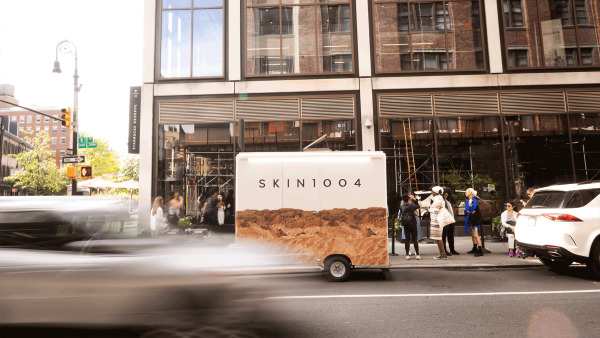
 SKIN1004 NYC launchTaking SKIN1004 to the streets: A citywide sampling experience driving buzz ahead of the NYC flagship opening.
 Persil x ArsenalBringing "Every Stain Should Be Part of the Game" to life.
 Stories.Quick, easy reads about things we’ve been thinking, feeling and analysing lately. Get scrolling to keep up.
 AI Shopping and Black Friday 2026: Why Credibility, Not Choice, Will Close the SaleAsk most brands what AI will change about Black Friday and you'll hear some version of the same story: the bots are coming for the basket. Shoppers will ask an assistant for the best deal, and the assistant will buy it for them.Read more