As the Creative Media Director at MG Studio, I’m constantly looking at ways to curate the most innovative and engaging content for our clients. And that landscape is always changing as consumer behaviour evolves, markets shift, and new technologies both drive and react to all this movement. Particularly now that we seem to be entering an age of lightspeed, AI-powered innovation, it’s very difficult to predict what’s next for content creation, let alone keep up with what’s already happening… But let’s give it a go.
Prediction one: 2024 will be a big year for podcasts.
2024 promises a significant surge in podcasts, with Gen Z leading the charge. According to Ad Age’s Fall 2023 report, three out of four Gen Z consumers engage with radio, podcasts, and streaming audio. And even more interestingly, seven in ten say they trust product and service endorsements from their favourite hosts, showcasing the influential role of podcasting in shaping preferences and driving conversions. So, it’s safe to say that more advertising spend than ever before will be allocated to podcasts this year, which is great news for all us podcast lovers.
But what will those podcasts look like? Well, we can expect to see most podcasts migrating to YouTube (on top of the usual audio streaming platforms) as video podcasting grows in both functionality and popularity – Spotify’s video integration last year sparked this shift, and audience reception will keep it going. I’m also predicting more podcasts in the ‘edutainment’ category. As we all know, with a new year comes new resolutions, and one of the most widespread 2024 resolutions is to do away with mindless doom scrolling and use time on social media to learn and engage with content meaningfully.
Prediction two: Technology for creators will continue to redefine industry norms.
One of the most interesting phenomena that’s come out of apps like TikTok is the democratisation of the content creation process. Ultra-user-friendly video editing applications, like TikTok’s in-app toolsuite or third-party apps like CapCut, mean that literally anyone can create. And it’s not just software; new hardware and cutting-edge devices like Fujifilm’s X-S20 are demonstrating the tech industry’s responsiveness to creators’ evolving needs. But the integration of user-friendly tools is not without its complexities – as technology adapts to creators, do professional videomakers suffer?
More and more, brands are asking for content that looks and feels like it was made on TikTok. This paradigm shift places a unique demand on editors, pushing them to navigate a fine line between maintaining sophistication and embracing the simplicity desired by brands. This challenge, while initially disruptive, could signal a collapse of the editing monopoly, paving the way for newfound creativity. It’s obvious Guillermo del Toro and Guy Richie aren’t going to start editing on tools like CapCut for their next cinematic endeavours, but that’s not to say that the new generation of filmmakers won’t find a passion to start their journey using these tools. Birthing a new generation of filmmakers who previously may have not had the opportunity or the courage to try. The possibilities are endless and exciting, when you think about it.
The blurring boundaries between high-end and lo-fi video production signal a redefinition of industry norms. While high-end video will always have a role in marketing campaigns, in 2024 it will be more important than ever to be ultra-selective about the medium you use to tell your story.
Finally, TikTok’s recent integration with Spotify, allowing creators to use their own music in videos without having to upload it as an original sound, offers a glimpse into the future of platform collaboration. This trend is poised to extend across major platforms, theoretically giving creators more options and routes to production. Interestingly, the integration of platforms not only benefits creators but also presents a compelling opportunity for brands. What if, for example, an iconic brand like Smirnoff collaborated with an emerging artist on a TikTok video?
Prediction three: AI co-creation will spur bigger, faster innovation than ever.
The prominence of AI in 2023 has left an indelible mark on the creative landscape. Not only are ChatGPT and MidJourney now embedded in a lot of the creative workflow (including my own), but Gen AI and LLMs have also propelled the industry into a free market for innovation. That’s particularly exciting for brands, creators and producers like myself, who can definitely expect to see an explosion of third-party apps that harness AI to make our work simpler – and hopefully, more interesting.
Before Christmas, I was looking for a tool to tackle the teleprompter problem (when someone reads off a teleprompter, their eyes move left to right and it’s pretty darn obvious) and I found nothing. But just last week, I searched again and found multiple third-party apps that have been released that solve that exact problem by keeping the reader’s eyes still – with AI. The speed at which third-party developers have harnessed the power of AI and begun creating tools that filmmakers have needed for years is astonishing – leaving established editing software, including the entire Adobe suite, struggling to keep up.
But the AI revolution is more than individual tools and tricks; its true power lies in its ability to redefine accessibility, break down barriers to entry and spawn new forms of creativity. I’m keeping my eyes and ears wide open, and so should you.
Jake Davis is the Creative Media Director at MG Empower, leading on all things creative within MG Studio, our dedicated content and experiential production hub. Head over to the MG Studio webpage to learn more about what Jake and his team can do, or feel free to get in touch at the Connect page.
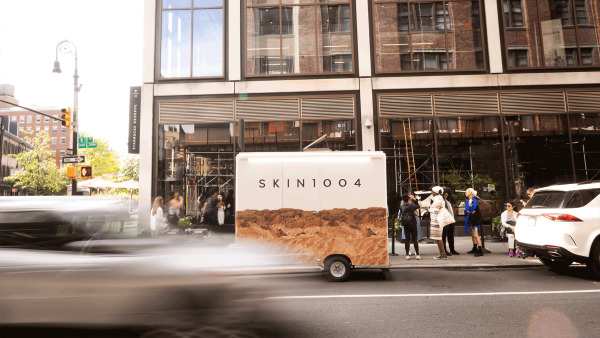
 SKIN1004 NYC launchTaking SKIN1004 to the streets: A citywide sampling experience driving buzz ahead of the NYC flagship opening.
 Persil x ArsenalBringing "Every Stain Should Be Part of the Game" to life.
 Stories.Quick, easy reads about things we’ve been thinking, feeling and analysing lately. Get scrolling to keep up.
 AI Shopping and Black Friday 2026: Why Credibility, Not Choice, Will Close the SaleAsk most brands what AI will change about Black Friday and you'll hear some version of the same story: the bots are coming for the basket. Shoppers will ask an assistant for the best deal, and the assistant will buy it for them.Read more