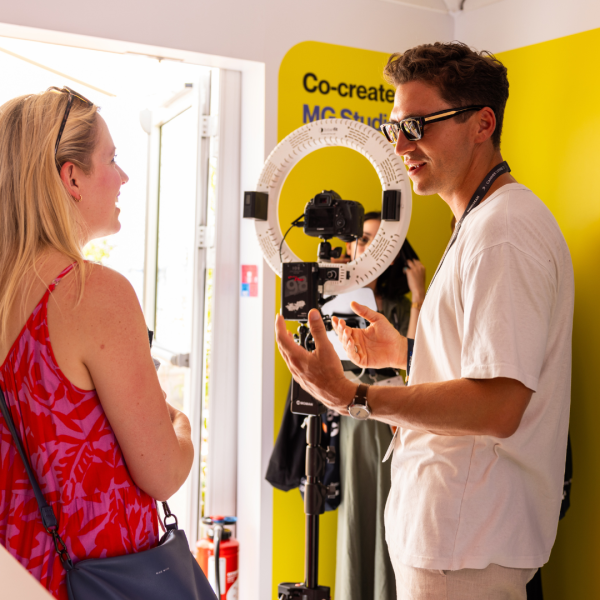
As a first-time host and official sponsor of the 2023 Cannes Lions Festival of Creativity, the electric atmosphere and anticipation were nothing short of palpable. The festival this year brought to the forefront three pivotal themes, poised to revolutionise the advertising and creative landscapes: Co-creation, Sustainability, and the intersection of AI and Creativity.
Here’s my hot take.
The Creator Economy took centre stage
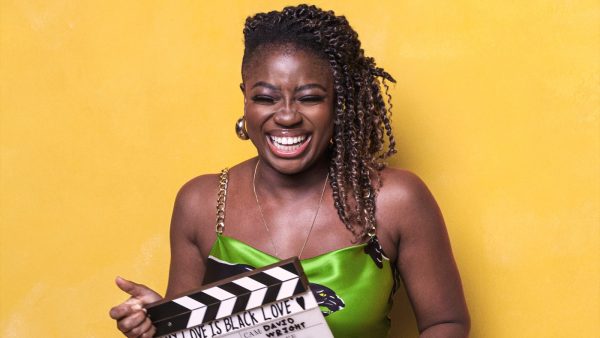
The huge presence of creator-centric agencies and activations at the festival was a testament to the undeniable and growing influence of the creator economy on mainstream culture. More than a mere trend or a temporary shift, the emergence of creators as key players in the success of campaigns became something of a recurring – and unmissable – theme.
Many hosted panels that included creators as participants or devoted entire sessions to dissecting the intricacies of the creator economy and the ever-evolving influencer marketing industry. This further emphasised how creators and influencers are now woven into the fabric of the broader marketing ecosystem.
The pivot towards the creator economy marks a meaningful evolution in the advertising world, spotlighting the critical role of creators and influencers in shaping and driving the most effective campaigns right now. In a world that’s craving authentic voices and quality storytelling, our sector is coming through with the goods.
Sustainable marketing is not an option but a necessity
The discourse around sustainability and corporate social responsibility was omnipresent in Cannes. Marketers are now being tasked with communicating their brand’s commitment to the environment and social issues – not just ‘greenwashing’ but taking genuine steps towards a sustainable future. Brands that can convincingly convey their commitment to these values will forge stronger bonds with consumers.
Poignantly, Cannes Lions pioneered the introduction of optional sustainability reporting to the application process for all Lions awards in 2023. The goal was to inspire all participants to disclose their CO2 emissions associated with the work they submitted, and although this data did not sway the judging process, it was collected to set a global standard for best practices in the production and dissemination of creative work.
It was interesting to witness this movement against the backdrop of an explosion of creativity – the festival made it clear that creative marketing is no longer confined to traditional media. There’s been a proliferation of platforms and formats, including immersive experiences like VR, AR, and mixed reality. Brands are using these to engage audiences in novel and captivating ways, applying new mediums and ways of thinking to sustainability and beyond.
Moreover, user-generated content and co-creation with consumers are emerging as potent trends. Brands are encouraging consumers to be a part of their story, blurring the line between creators and audiences.
AI and creativity: Envisioning a future rife with potential
AI pretty much took over the festival, eliciting a mixture of trepidation and profound curiosity from the advertising community. Generative AI and its potential impact on the future of advertising and creativity were among the hotly debated subjects. The commercial market is now starting to experience the impact of AI, with nearly every company unveiling their unique interpretations of generative AI.
Significant announcements included Google’s introduction of new AI capabilities within its advertising platform, with plans to launch “demand gen” tools that harness AI to modify creative elements in real-time and target ads across various platforms. Similarly, Meta explored the potential of AI in enhancing messaging and its capacity to instantly customise ads, making them suitable for any occasion.
However, the wider conversation was not without concerns about the potential repercussions of AI on employment within the advertising industry, and anxiety over machines superseding human creativity. Renowned filmmaker Spike Lee voiced his scepticism, cautioning that employing AI in artistic endeavours can be “tricky” and even “scary”.
Alex Frey is Head of Brand Partnerships at MG Empower. If you visited our cabana in Cannes, you definitely spoke to him. If you didn’t, get in touch today.
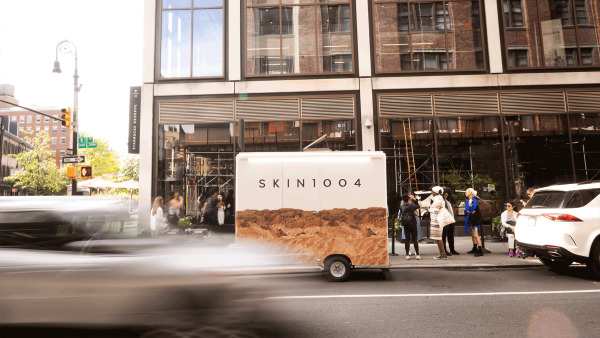
 SKIN1004 NYC launchTaking SKIN1004 to the streets: A citywide sampling experience driving buzz ahead of the NYC flagship opening.
 Persil x ArsenalBringing "Every Stain Should Be Part of the Game" to life.
 Stories.Quick, easy reads about things we’ve been thinking, feeling and analysing lately. Get scrolling to keep up.
 AI Shopping and Black Friday 2026: Why Credibility, Not Choice, Will Close the SaleAsk most brands what AI will change about Black Friday and you'll hear some version of the same story: the bots are coming for the basket. Shoppers will ask an assistant for the best deal, and the assistant will buy it for them.Read more