YouTube brand strategy is no longer a tactical add-on. In 2026, it is becoming structural.
While brands focused on short-form acceleration, YouTube expanded quietly. With over 2.7 billion monthly users and nearly two decades of cultural imprint, it now operates less like a social network and more like infrastructure. Recent industry coverage, including reporting from Business of Fashion, highlights YouTube’s renewed growth curve. But the real shift is not growth. It is role.
Many brands still treat YouTube as:
- An archive for TV ads
- A repository for brand films
- A checkbox within a broader social strategy
That approach underestimates the platform. YouTube is not a secondary distribution. It is long-term narrative architecture.
At MG Empower, we see YouTube brand strategy evolving from campaign deployment to cultural system design.
The Platform Brands Still Underestimate
The debate around YouTube vs TikTok for brands often misses the point. The platforms do not compete for the same behavioural function.
TikTok drives discovery spikes.
Instagram sustains ambient presence.
YouTube operates as a destination.
Users arrive intentionally. They search. They subscribe. They commit time. Attention is chosen, not interrupted.
That distinction reframes how brands approach brand building on YouTube. The platform rewards depth, consistency, and structured storytelling. It favours programming over posting.
Instead of asking what video to upload next, brands should ask:
- What recurring format can we own?
- What conversation can we host consistently?
- What narrative arc can we build over time?
This is where YouTube content formats move from creative execution to strategic asset.
Creators understand this intuitively. Their channels function as repeatable systems: episodes, series, recurring segments. Over time, those formats create audience habit and trust.
Brands can adopt the same blueprint.
From Content to Format Thinking
Brands succeeding with brand-building on YouTube are not chasing virality. They are designing formats.
A founder-led interview series that documents industry shifts.
A recurring product lab that explores development processes.
A cultural roundtable tied to experiential activations.
These are not one-off films. They are structured, repeatable YouTube content formats.
This shift changes measurement expectations. Instead of short-term spikes, brands track:
- Subscriber growth
- Watch time
- Returning viewers
- Search-driven discovery
The impact compounds. Videos surface months after publication. The series builds authority. Content becomes a searchable infrastructure.
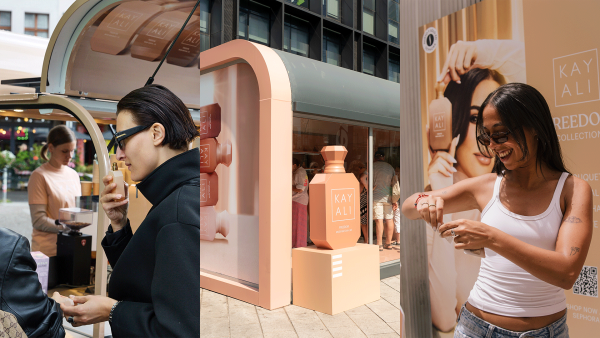
MG Empower approaches YouTube brand strategy as part of an integrated ecosystem. Formats connect to experiential activations, creator partnerships, and thought leadership. The platform becomes an extension of brand philosophy rather than a container for assets.
Brands Acting Like Studios
The brands redefining YouTube brand strategy are adopting a studio mindset.
They prioritise narrative continuity over isolated campaigns.
They build an audience before pushing monetisation.
They treat format consistency as equity creation.
The contrast in YouTube vs TikTok for brands becomes clear here. TikTok delivers rapid visibility. YouTube delivers durable trust.
Virality spikes. Authority compounds.
This distinction matters in 2026 because digital saturation has made attention scarce. Infinite content has reduced novelty. What stands out now is commitment.
A brand that uploads sporadically remains forgettable. A brand that programs intentionally becomes culturally referential.
That is the evolution of brand building on YouTube.
YouTube Within an Integrated Ecosystem
YouTube should not operate in isolation. Its real value emerges when integrated across touchpoints.
At MG Empower, YouTube brand strategy connects with:
- Experiential campaigns that generate documentary-style long-form content
- Creator partnerships that extend beyond amplification into co-authorship
- Founder storytelling that builds searchable authority
- Community-building initiatives that evolve into recurring series
Consider a brand investing heavily in live activations. Without a structured YouTube narrative, those moments remain temporary. With intentional programming, those experiences become long-form assets that continue driving discovery.
This is where integration matters. Brand building on YouTube supports and extends integrated media ecosystems. It bridges owned, earned, and experiential channels into a coherent narrative arc.
It also reframes YouTube content formats as long-term assets rather than distribution vehicles.
Attention Is Chosen, Not Interrupted
One of the strategic blind spots in YouTube brand strategy is performance expectation. Brands often dismiss the platform because it does not convert instantly.
That expectation misunderstands its function.
YouTube does not sell fast. It sells forever.
Search-driven behaviour means videos surface when users actively seek context. That behaviour supports trust formation, not impulse clicks.
When evaluating YouTube vs TikTok for a brand, the more relevant comparison is durability.
- TikTok excels at momentary cultural spikes.
- YouTube excels at searchable authority.
Both matter. But their strategic roles differ.
MG Empower’s integrated approach recognises that YouTube brand strategy is not about replacing short-form channels. It is about anchoring them. Short-form can drive discovery. Long-form builds narrative infrastructure.
From Campaign Channel to Cultural Infrastructure
The transition from campaign thinking to infrastructure thinking is subtle but decisive.
Campaign thinking asks how to maximise this moment.
Infrastructure thinking asks what narrative will still matter in five years.
This is where structured YouTube content formats outperform isolated executions. A consistent founder series. A recurring industry insight programme. A long-term educational vertical.
These systems build cultural equity. They reduce dependency on algorithm volatility. They create owned authority.
The brands doing this well reveal how much opportunity others leave untapped. They are not louder. They are more deliberate.
In a digital economy defined by noise, intentional presence wins.
The Strategic Question
The conversation around YouTube brand strategy should no longer centre on whether to post.
The sharper question is this: what is the series only your brand has permission to create?
What expertise can you achieve?
What cultural dialogue can you sustain?
What perspective can you return to consistently?
Brand building on YouTube requires commitment over clicks. It requires format over flash. It requires infrastructure over noise.
In 2026, the brands that recognise this shift early will not treat YouTube as a channel. They will treat it as cultural architecture.
And the brands building architecture tend to outlast those chasing moments.
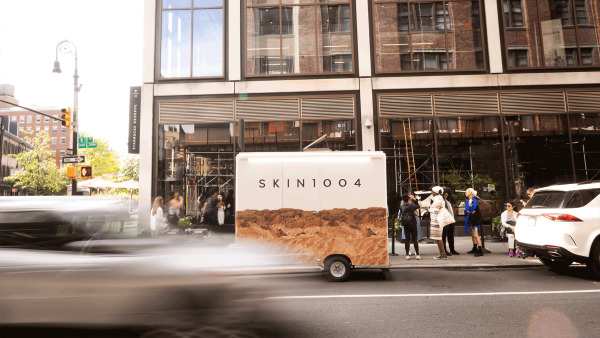
 SKIN1004 NYC launchTaking SKIN1004 to the streets: A citywide sampling experience driving buzz ahead of the NYC flagship opening.
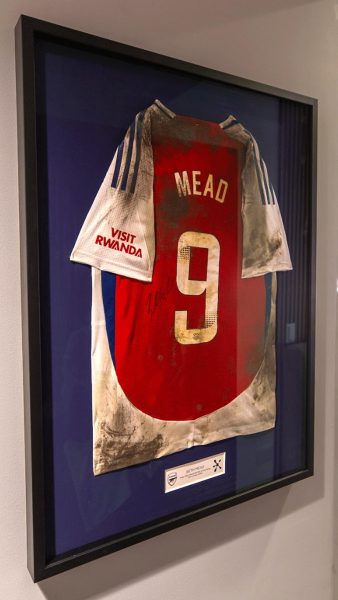
 Persil x ArsenalBringing "Every Stain Should Be Part of the Game" to life.
 Stories.Quick, easy reads about things we’ve been thinking, feeling and analysing lately. Get scrolling to keep up.
 AI Shopping and Black Friday 2026: Why Credibility, Not Choice, Will Close the SaleAsk most brands what AI will change about Black Friday and you'll hear some version of the same story: the bots are coming for the basket. Shoppers will ask an assistant for the best deal, and the assistant will buy it for them.Read more