Brand experience centres have emerged as spaces that sit at the heart of how organisations build genuine connections with their audiences. In a world saturated with digital campaigns, static decks, and relentless content streams, audiences have quietly raised the bar. They no longer want to be informed. They want to be moved in the real world.
At MG Empower, we see this shift play out across every experiential marketing brief we receive. Organisations are no longer satisfied with product displays or polished corporate messaging alone. They want immersive brand environments where people can step inside a story, feel a brand’s values in action, and leave with something that stays with them long after they walk out the door.
This is the promise of a well-designed brand experience centre. It turns a visit into a journey. It moves your audience from observer to participant. And that shift, from passive to active, from watching to doing, is where interaction becomes impact.
The New Imperative for Experience Centres
The more digital content expands, the harder it becomes to hold attention. Audiences scroll fast. Messages compete with dozens of others at the same time. Even strong storytelling struggles to stay with people once they leave the screen.
This creates a real and urgent need: physical environments where audiences can engage meaningfully with a brand’s message. Places that slow the moment down. Where visitors move through space rather than swipe through feeds, interact with objects rather than consume thumbnails, and absorb ideas through doing rather than passive viewing.
A thoughtfully designed brand experience centre provides exactly that. It doesn’t just communicate your story, it lets people live it.
The Core Principles of Experience Centres
Creating a meaningful brand experience centre is not simply about impressive displays or cutting-edge technology. The spaces that truly resonate are built on clear strategic foundations, and the experience centre design process must address each of them deliberately.
1. Understanding the Audience
Every effective brand experience centre begins with a sharp understanding of the people who will walk through the door. Not a demographic breakdown, but a genuine human picture. Different visitors arrive carrying different priorities.
This is where brand strategy does its most important work. Mapping real audience personas, identifying the questions people arrive with, and designing pathways that feel personal rather than prescribed.
2. Experience Pillars
Once audience insights are clear, the next step is establishing the guiding principles that will shape the entire environment. These are the pillars that drive the experience: interactive elements delivered via emotional resonance, co-creation, education through exploration, or narrative immersion.
They inform layout, interaction design, lighting, content flow, and pacing. When every element reflects the same underlying philosophy, visitors don’t notice the craft. They simply feel that the space makes sense. That coherence is what separates a meaningful brand experience centre from a glorified exhibition stand.
3. Narrative Flow
A great brand experience centre tells a story that unfolds in time, not all at once. Each zone should build naturally on the previous one, each interaction adding a layer of context rather than simply adding more information.
When narrative flow is designed well, visitors leave with a clear, felt sense of what the brand stands for. Not a collection of facts they have been told, but a story they have actually experienced.
Spatial and Temporal Design
Layout is central to any immersive brand experience. Zones need to encourage exploration while maintaining logical flow. That balance, structured but not scripted, is one of the defining challenges of experience centre design.
Some spatial principles that support this balance:
- Clear entry points that set context and lower cognitive load from the very first step
- Sequential zones that develop the narrative without over-signposting it
- Interaction areas where visitors engage directly, at their own initiative
- Reflection spaces that encourage conversation and let ideas settle
Time plays an equally important role. Some organisations build permanent brand experience centres that function as long-term communication hubs. Others use temporary brand activations to test concepts, reach new audiences, or build momentum for a launch.
Technology as a Storytelling Tool in Experience Centres
Technology often plays a central role in modern experience centres, yet its purpose must remain clear. Technology should support storytelling rather than dominate it. When used effectively, digital tools allow brands to create responsive environments that adapt to visitors.
Examples include:
- Augmented reality layers that reveal deeper information
- Interactive displays that respond to user input
- Responsive lighting and sound that react to movement
- Data integration that personalises content
When technology supports the narrative, the brand experience centre becomes a living environment where stories evolve through interaction. Another advantage of this approach lies in adaptability.
Interactive systems generate insight into how visitors move through the space. That data feeds back into broader marketing strategy, helping brands refine the experience over time and make smarter decisions well beyond the physical space.
Collaboration and Multidisciplinary Design
Brand experience centres that genuinely work are never the product of a single discipline. Great experience centre design depends on architects, designers, technologists, and brand strategists working in alignment from the earliest stages, not handed off to one another in sequence.
At MG Empower, this multidisciplinary approach sits at the core of how we work. When architecture, storytelling, and creative execution pull in the same direction, the result feels natural rather than staged, and that authenticity is precisely what makes it effective.
Business Impact
A well-executed brand experience centre does more than impress visitors. It shifts measurable outcomes. They build trust in ways that presentations, slide decks and brochures simply cannot replicate.
And they change the quality of the relationship. A meeting inside an experience centre feels fundamentally different from a boardroom presentation. The environment encourages dialogue, exploration, and collaborative thinking rather than a one-directional pitch.
MG Empower Insight
At MG Empower, we have seen brands use immersive activations to translate complex stories into tangible experiences, turning first-time visitors into long-term advocates. Brand experience centres, whether permanent or temporary, allow audiences to interact with brand philosophy, not just products, creating both cultural and commercial resonance.
That distinction matters. The most effective spaces we have worked on are never simply about showcasing what a brand makes. They are about communicating what a brand believes, and inviting visitors to experience that belief directly. Explore how we approach this through our experiential marketing services and client work.
Reimagining the Brand Space
The future of brand communication will continue to blur the line between digital and physical. Digital channels create reach. Physical environments create depth. The brands that stand apart will be those that learn to harness both, not as separate strategies, but as a single, coherent experience.
At MG Empower, this philosophy shapes everything we bring to experiential marketing. Each brand environment must reflect the identity of the organisation it represents, while creating moments that genuinely mean something to the people who move through it.
Thinking about building or evolving a brand experience centre? Get in touch with MG Empower to start the conversation.
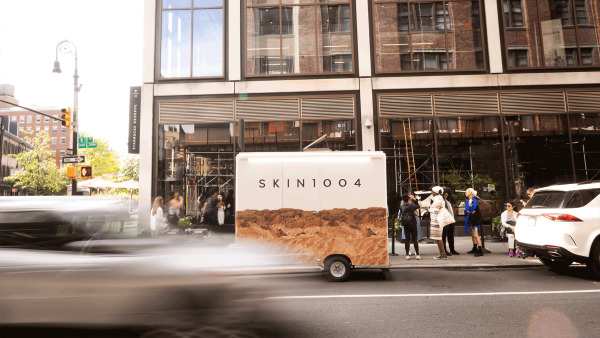
 SKIN1004 NYC launchTaking SKIN1004 to the streets: A citywide sampling experience driving buzz ahead of the NYC flagship opening.
 Persil x ArsenalBringing "Every Stain Should Be Part of the Game" to life.
 Stories.Quick, easy reads about things we’ve been thinking, feeling and analysing lately. Get scrolling to keep up.
 AI Shopping and Black Friday 2026: Why Credibility, Not Choice, Will Close the SaleAsk most brands what AI will change about Black Friday and you'll hear some version of the same story: the bots are coming for the basket. Shoppers will ask an assistant for the best deal, and the assistant will buy it for them.Read more