What Memes Represent
At their most basic level, memes combine two of the pillars of social media into one piece of content: Image and Text. And while these same two elements also make up the average Instagram or Facebook post, it is the superimposition of the text over the image that is fundamental to memes and catches users’ attention. While most posts can be mindlessly scrolled through on a feed, meme’s demand that the user stop and read to decipher what is going on and why it is relevant or funny.
With advertising to millennials and gen z’ers hard enough as it is, memes ability to get social media users to stop and take notice can be an asset to brands in a landscape oversaturated with sponsored posts. They are an efficient form of media that cover a broad range of ideas and expressions. With the average attention span shrinking to eight seconds, memes can pack years of culturally relevant content into an easily digestible, satisfying package.
Put simply, memes are a concentrated dose of pop-culture.
Why Memes Are a Versatile Tool for Brands
First and foremost, memes are a much more cost-efficient method of generating engagement than traditional influencers or creators. The average engagement rate for influencers fluctuates between 1 an d 15 percent depending on the industry. And while rates vary depending on the category of influencer, brands can typically expect to pay anywhere from $1000 per post to upwards of one million for celebrity influencer endorsements. Compare this to sponsored memes, which typically see engagement rates of about 30 percent for a fraction of the cost, and you can see why memes are a versatile tool.
Their appeal lies in the way that they tap into pop culture and to create relevance. Whereas posts put the creator or the brand front and center, the relative anonymity of memes makes them akin to a digital rorschach test, a slate onto which the users can project themselves. Sometimes literally.
The way in which memes can be shared, altered, and reshared strengthens appeal. It helps them extend their life cycle as well as increases the chance at virality, all while putting power in the hands of social media users.
How to Use Memes in Your Marketing Campaign
In the past few years, forward-thinking brands have gotten in on the trend, using memes to relate more to their consumers while expanding brand or product awareness. A perfect example of this is Netflix.
The subject of many a meme itself, the streaming giant got in on the trend while promoting the Netflix original film “Bird Box.” The campaign was largely successful because Netflix used stills from the movie combined with socially relevant humor, such as the penchant for millennials to ignore text messages. Furthermore, in retweeting memes created by their audience, the streaming service creates an environment where its brand continues to be promoted but also serves to amplify the voices of its supporters.
For brands looking to emulate Netflix’s success, it is important to remember that just using memes does not guarantee marketing gold. First and foremost, a brand must understand its audience as well as the tone they hope to strike with a meme campaign.
Gucci’s “TFW’ campaign is a perfect example of tonal execution. Collaborating with visual artists and creators, rather than their target audience Gucci took aim at their detractors. By poking fun at their penchant for over-the-top pieces and pretentious nature, the storied fashion brand was able to get in the joke, and show that they are willing to engage, not only with collaborators and consumers, but with the larger social media audience.
The Larger Conversation
At the end of the end of the day, meme marketing is about execution. The simplicity that is its appeal can be a double edged sword. There is no friendly face to serve as the bridge between the brand and the audience. And for every Netflix and Guccie, there is a McDonalds “Say No More Fam.”
Meme marketing is not about pandering to your audience. It’s about understanding them, and understanding your brand’s place in the larger conversation. Campaigns that take this into account will be able to increase brand awareness, while providing space for other voices to share, alter, and ultimately contribute to the dialogue.
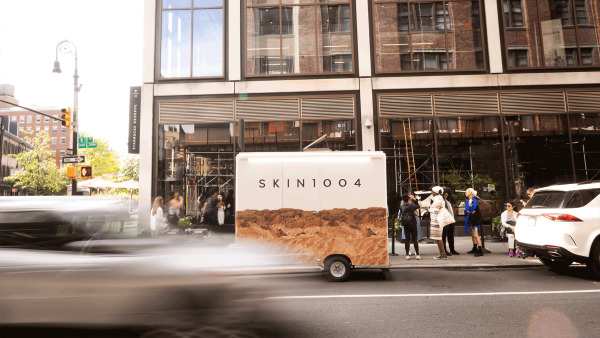
 SKIN1004 NYC launchTaking SKIN1004 to the streets: A citywide sampling experience driving buzz ahead of the NYC flagship opening.
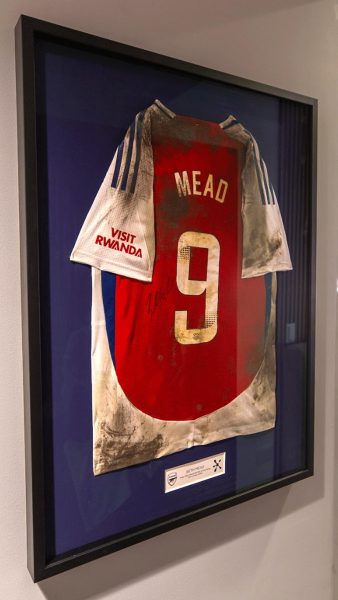
 Persil x ArsenalBringing "Every Stain Should Be Part of the Game" to life.
 Stories.Quick, easy reads about things we’ve been thinking, feeling and analysing lately. Get scrolling to keep up.
 AI Shopping and Black Friday 2026: Why Credibility, Not Choice, Will Close the SaleAsk most brands what AI will change about Black Friday and you'll hear some version of the same story: the bots are coming for the basket. Shoppers will ask an assistant for the best deal, and the assistant will buy it for them.Read more