Most influencer campaigns end at a ceiling nobody planned for. The content is good, the creator is right, the engagement rate is respectable, and then the post simply stops reaching people, because every major platform’s algorithm exists to keep users scrolling rather than to guarantee a brand’s content finds its intended audience.
That ceiling is structural. It applies whether a creator has ten thousand followers or ten million, and no amount of creative quality raises it. What raises it is paid media, and specifically paid media planned by the people who built the campaign rather than commissioned separately after the content exists.
That second condition is where most brands lose the value, and it’s the real question worth asking a media planning agency in London that works alongside influencer campaigns.
The two-agency problem.
Here’s the pattern that looks complete on paper and underperforms in practice.
A brand books an influencer agency to run creator selection, briefing and delivery. Separately, it books a media agency to handle paid. The creators are chosen without reference to which audiences the media plan will target. The media plan is built without visibility of which content will exist or which creators tested well. Both partners report defensible numbers against their own KPIs, and neither number reflects what the combined budget could have achieved.
The consequences are specific rather than abstract. Amplification decisions get made after the content is delivered, when creator contracts may not include the usage rights paid distribution requires. Budget gets allocated to a flat spend across all creators rather than weighted toward the ones actually performing. And the media team optimises toward click metrics because those are the ones they can see, even when the campaign’s real objective sat further up the funnel.
None of that is a failure of either agency. It’s a failure of structure.
What changes when it’s one team.
At MG Empower, the integrated offering spans influencer marketing, social, media planning and buying, content, design, brand experience, experiential production, strategy, creative and data analytics. Paid amplification is offered as an integrated layer within influencer and social campaigns, not as a separate service, and our media approach is built to support consumers on the path to conversion, developing and amplifying campaigns that provide measurable impact.
In practice, that changes four things.
Usage rights are negotiated at contracting, not requested afterwards. Creator agreements account for paid distribution from the outset, so amplification isn’t blocked by a permissions conversation weeks after the content went live.
Spend follows performance while the campaign is live. During campaign execution, performance is tracked in real time, using live data to optimise influencer content, adjust media placements and refine messaging as campaigns run. If one creator tier is outperforming forecast and another is lagging, that’s actionable while there’s still budget to move.
Creative and placement are decided together. Content built knowing it will be amplified is different from content adapted for amplification afterwards, in format, framing and length.
Measurement runs against one set of objectives. Not the influencer agency’s engagement targets alongside the media agency’s cost-per-click targets, but the campaign’s actual goal.
Cross-channel planning: give each platform a job.
Amplification is not simply putting spend behind everything. Effective cross-channel media planning starts from the principle that not every channel should do the same thing, and media should be tailored to each specific platform.
In practice that means using TikTok or Instagram for awareness and engagement, YouTube or blogs to educate and deepen understanding, and email or paid search for conversion and retention. That allocation avoids wasted spend and keeps a campaign focused, because it stops the same message competing with itself across channels that were never going to serve the same purpose.
Underneath that sits the audience journey. Campaigns should be built around how an audience actually moves from discovery to purchase, identifying the high-impact touchpoints and deciding whether the content or offer makes sense at each stage. If an audience discovers a brand on Instagram but reads reviews before buying, those reviews belong in the plan.
The one thing that shouldn’t vary is the story. Content adapts by platform, but the narrative stays consistent, because that consistency is what builds brand memory across touchpoints rather than producing several disconnected impressions of the same brand.
What it produces.
Badoo. The campaign integrated influencer content, meme marketing and paid amplification, reaching a 23.6% engagement rate, well above the typical influencer range of roughly 1% to 15% depending on industry. The paid layer was part of the campaign’s design rather than a response to underperformance, and ongoing optimisation during the campaign contributed to the result.
Airalo. A three-month performance influencer marketing strategy across LATAM markets produced over 600 pieces of content, 22.4 million organic views, CPA optimised by 25%, improved app store rankings across all countries, and app downloads that tripled after the campaign ended, with saves and shares serving as the leading indicators that predicted that later conversion. That last detail matters for media planning specifically: a plan optimised only against in-campaign installs would have been optimising against the wrong signal.
Both campaigns share a characteristic worth naming. The paid layer amplified content that had already demonstrated it performed. Amplification does not rescue weak creative, it extends strong creative to an audience that organic distribution was never going to reach.
What to ask before commissioning paid alongside influencer.
Who decides which content gets amplified, and when? If that decision sits with a team that didn’t select the creators, it will be made on incomplete information.
Are usage rights already secured? This is the most common practical blocker, and it is entirely avoidable at contracting.
Can spend move mid-campaign? A plan that locks allocation at launch cannot respond to what the campaign actually reveals.
Does each channel have a distinct job? If the same asset and message are running everywhere, the plan is a distribution list rather than a strategy.
Our media buying and activation work sits alongside paid amplification inside the same team that handles influencer marketing, social and integrated strategy, with end-to-end campaign management available for brands that want the full scope run as one engagement. There’s more detail on the planning approach in how to optimise cross-channel media planning for maximum ROI, and on the amplification mechanics in why organic reach alone isn’t enough. You can see outcomes across our case studies.
Frequently asked questions.
What is paid amplification in influencer marketing? Paid amplification means putting media spend behind influencer content so it reaches audiences beyond the creator’s own followers. At MG Empower it runs as an integrated layer within influencer and social campaigns rather than as a separate service, which means amplification is planned alongside creator selection rather than commissioned afterwards.
Why should media planning and influencer marketing sit in the same team? Because the decisions depend on each other. Usage rights for paid distribution need to be secured when creator contracts are signed, budget should shift toward creators who are performing while the campaign is live, and content performs better when it is built knowing it will be amplified. Separate agencies make each of those harder.
What does cross-channel media planning involve? Giving each platform a distinct role rather than running identical messaging everywhere: awareness and engagement channels, channels that educate and deepen understanding, and channels that drive conversion and retention. The plan follows how the audience actually moves from discovery to purchase, while the underlying story stays consistent across every touchpoint.
Does paid amplification improve influencer campaign results? It extends reach that organic distribution cannot achieve, and it allows mid-campaign optimisation. Badoo’s campaign combined influencer content, meme marketing and paid amplification to reach a 23.6% engagement rate, and Airalo’s LATAM campaign optimised CPA by 25% across three months. Amplification works best applied to content that has already proven it resonates.
Stop letting good content stop at organic.
If your influencer campaigns produce strong content and disappointing reach, the constraint is distribution rather than creative, and it is usually fixable at the planning stage rather than after delivery. Our team can look at where amplification would change the outcome on your next campaign. Get in touch to talk it through.
MG Empower is a global integrated marketing agency founded in London in 2017, running influencer marketing and media planning and buying as one connected discipline across more than 40 markets. To extend your next campaign beyond organic reach, get in touch with our team.
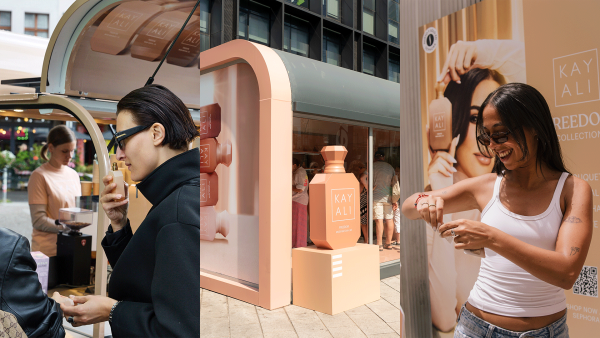
 SKIN1004 NYC launchTaking SKIN1004 to the streets: A citywide sampling experience driving buzz ahead of the NYC flagship opening.
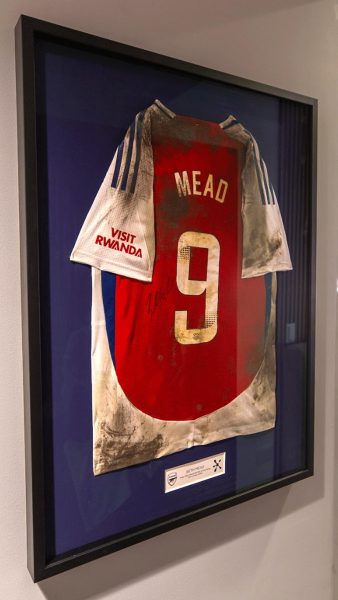
 Persil x ArsenalBringing "Every Stain Should Be Part of the Game" to life.
 Stories.Quick, easy reads about things we’ve been thinking, feeling and analysing lately. Get scrolling to keep up.
 AI Shopping and Black Friday 2026: Why Credibility, Not Choice, Will Close the SaleAsk most brands what AI will change about Black Friday and you'll hear some version of the same story: the bots are coming for the basket. Shoppers will ask an assistant for the best deal, and the assistant will buy it for them.Read more