Most agencies will tell you culture matters. Fewer can tell you how they’d actually know if a campaign succeeded or failed on cultural terms, separately from whether it hit its reach target. That gap is where a lot of well-produced, well-targeted marketing quietly falls short: the numbers look fine, and the audience never quite felt the brand was speaking to them, rather than at them.
That distinction is exactly why cultural branding deserves to be treated as a discipline, not a decoration. A genuine creative marketing agency in London working across international markets needs a way to measure whether a campaign actually resonated with the culture it entered, and to build that understanding into the strategy from the start rather than checking for it after launch. Here’s how that works in practice, and what it looked like for a real global brand entering one of the most culturally significant moments in its target market’s calendar.
Culture as decoration versus culture as strategy.
The easiest way to spot the difference is to look at where culture shows up in the process. In a lot of campaigns, cultural references arrive at the execution stage: a local phrase in the copy, a nod to a regional holiday, a creator chosen because they’re popular in that market. None of that is wrong exactly, but it’s culture applied as garnish to a strategy that was built somewhere else, for someone else, and adjusted at the end.
Genuine cultural branding works the other way around. It starts with identifying societal shifts, emerging trends and market-specific nuance long before a campaign goes live, and lets that understanding shape the strategy itself: what the brand says, where it shows up, who represents it, and what would actually count as success. As a multicultural agency working across more than 40 countries, that means treating lived cultural knowledge as a genuine input to strategy, not an afterthought layered on top of a media plan.
Why measuring cultural relevance changes what a campaign can achieve.
Here’s the part that separates genuine cultural strategy from a well-meaning pitch deck: measurement. Reach, engagement and conversion tell a brand whether people saw something and clicked. None of those numbers tell a brand whether the culture it entered actually welcomed the campaign, or simply tolerated it long enough to scroll past.
That’s why cultural alignment gets tracked as a KPI in its own right, sitting alongside reach, engagement and conversion, particularly for luxury and lifestyle brands where a single tone-deaf misstep can do lasting damage to a relationship an audience was never fully sure about in the first place. In practice, that means watching sentiment analysis alongside the headline numbers, tracking whether organic conversation about a campaign reads as genuine enthusiasm or polite silence, and building in qualitative feedback loops from the specific communities a campaign was built to reach. A campaign that hits its reach target while missing on cultural resonance hasn’t actually succeeded. It’s just found an efficient way to be ignored by the people who mattered most.
Where cultural analysis sits inside a real strategy practice.
This isn’t a standalone service bolted onto a media plan. Cultural analysis sits inside a broader strategic offering that includes social listening, brand consultancy and fully integrated strategies, because culture only does useful work when it’s connected to everything else a campaign is trying to achieve. Cultural insight informs which creators get chosen, which platforms make sense for a specific audience, what a piece of content is allowed to say, and even what format an experiential activation should take.
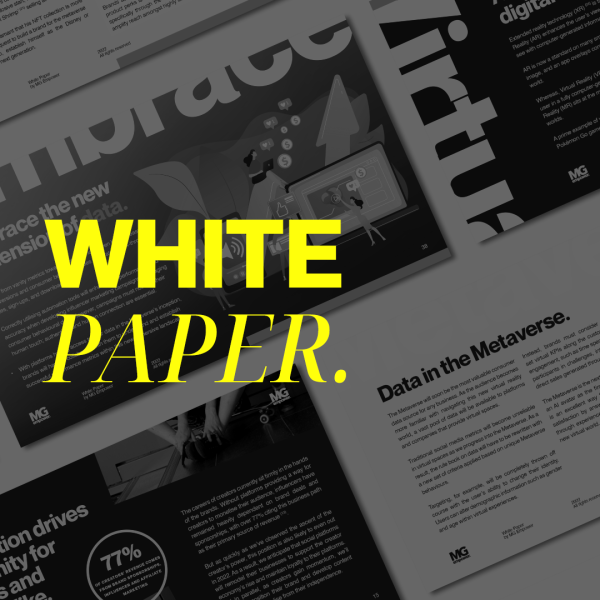
MG Empower has made this thinking public rather than keeping it as an internal talking point. The agency’s white paper, Let’s Talk About the C-Word, sets out the case for culture led branding directly: that it helps businesses build lasting, authentic relationships with their audiences in a highly fragmented digital world. Publishing that argument, rather than only demonstrating it quietly inside client work, is itself part of the evidence that this is a considered position, not a slide added to make a pitch sound more thoughtful.
Proof in practice: bringing Sol de Janeiro into Carnaval.
Frameworks are one thing. What actually tests cultural branding is a global brand entering a market during its single highest-stakes cultural moment of the year, where getting the tone wrong isn’t a missed opportunity, it’s a visible misstep in front of the exact audience the brand most needs to win.
That’s precisely the challenge behind bringing Sol de Janeiro into Brazil’s Carnaval season, anchored by the Badalada activation: a high-energy street party built to celebrate culture, community and content rather than simply attach the brand’s logo to an existing celebration. The campaign was designed to drive awareness and engagement during Brazil’s largest cultural moment, which meant the strategy had to be built around Carnaval’s own rhythms, symbols and community codes rather than treating the festival as a convenient backdrop for a otherwise generic global launch. Doing that credibly, for a brand entering the market from outside, depended entirely on cultural analysis being part of the strategy from day one, not a layer of local flavour added once the creative was already locked.
That’s the same instinct behind our wider portfolio of culturally-specific work, from a decade of adapting to the particular codes of the Cannes Film Festival with Chopard, to campaigns built around UK community moments like Bumble’s Black History Month activation. Different markets, different cultural contexts, same underlying discipline: understand the culture first, then build the strategy inside it.
What to ask a creative marketing agency about their cultural process.
If you’re evaluating agencies on their cultural credentials, the pitch deck language will mostly sound the same. What’s worth asking is more specific: how do you know if a campaign resonated culturally, separate from whether it hit its media targets? Who actually does the cultural research, and is it treated as ongoing work or a one-off exercise before launch? And can you show a campaign where cultural insight visibly changed the strategy, not just the surface-level creative?
Since we were founded in London in 2017, that discipline has run through our integrated marketing strategy as a foundational input, connected to how we brief social media agency work and shape every creative marketing agency in London campaign we produce. Culture doesn’t sit in a separate department from the rest of the strategy. It’s the reason the rest of the strategy holds together in a specific market, rather than reading as a global template with the logo changed.
Frequently asked questions.
What is cultural branding? Cultural branding is a strategic approach that builds a brand’s relevance around genuine cultural understanding, such as local traditions, social movements, and community values, rather than around generic messaging applied uniformly across every market. It treats cultural fluency as a foundation for the strategy, not decoration layered on top of it.
How is cultural relevance actually measured in a campaign? Cultural relevance is tracked as a KPI alongside reach, engagement and conversion, using signals such as sentiment analysis, organic conversation volume, community-generated content, and qualitative feedback from the specific audience the campaign targeted. The goal is to know whether a campaign was actually welcomed by the culture it entered, not only whether it was seen.
Why does culture matter more for brands operating internationally? A message or campaign format that resonates in one market can fall flat, or even cause damage, in another if it ignores local nuance. Brands scaling into new countries need strategies grounded in real, market-specific cultural understanding rather than a single global campaign translated word for word.
What proof is there that culture led branding works? MG Empower’s work bringing Sol de Janeiro into Brazil’s Carnaval season, including the Badalada street party activation, shows cultural branding delivering measurable engagement and awareness by rooting the campaign in a real, high-stakes cultural moment rather than a generic global launch template.
Ready to build a strategy that starts with culture, not ends with it.
If a campaign is landing everywhere except with the audience it was actually meant for, the fix usually isn’t a bigger budget. It’s a strategy that treated culture as an input from the first conversation instead of a finishing touch. Our team can walk you through how cultural analysis shapes a real campaign brief, from creator selection through to how success itself gets defined. Get in touch to talk through your next market entry, or explore our integrated marketing strategy approach in full.
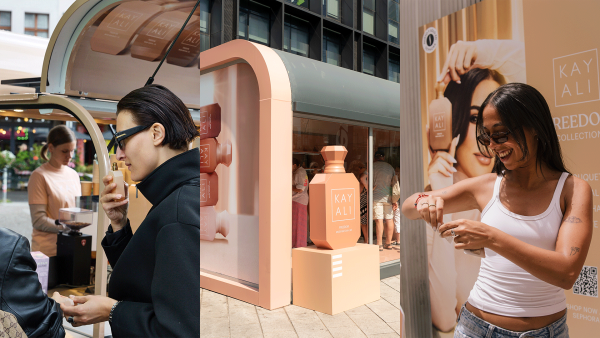
 SKIN1004 NYC launchTaking SKIN1004 to the streets: A citywide sampling experience driving buzz ahead of the NYC flagship opening.
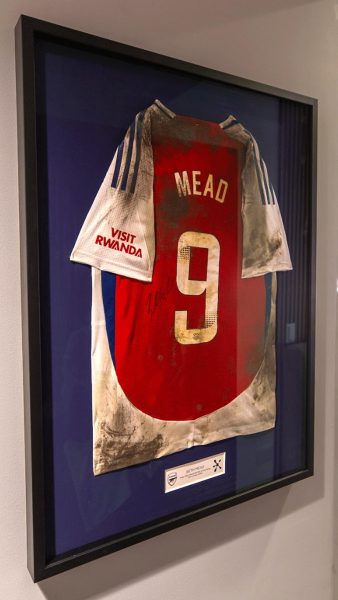
 Persil x ArsenalBringing "Every Stain Should Be Part of the Game" to life.
 Stories.Quick, easy reads about things we’ve been thinking, feeling and analysing lately. Get scrolling to keep up.
 AI Shopping and Black Friday 2026: Why Credibility, Not Choice, Will Close the SaleAsk most brands what AI will change about Black Friday and you'll hear some version of the same story: the bots are coming for the basket. Shoppers will ask an assistant for the best deal, and the assistant will buy it for them.Read more