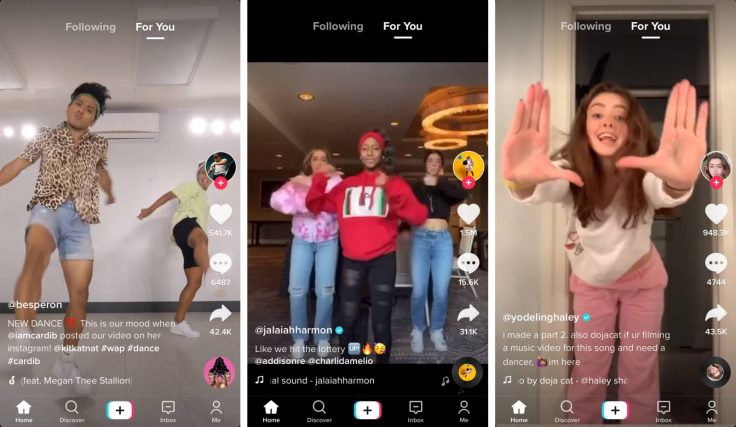
Short-form video has become wildly popular as of late and brands are only just beginning to scratch the surface in terms of adapting it for their marketing strategies. With almost every platform offering support for short-form videos, the internet has become a battleground of social media giants that are fighting for audience attention.
Why are short-form videos so successful today?
A big part of why short-form videos are so successful today is due to their appeal to younger audiences.
“
Deloitte Digital reports that the proportion of US consumers who watch short-form videos reached 74% in recent years. 84% of Gen Z audiences and 81% of Millennials also prefer this kind of content.
”
Audiences prefer to be informed quickly, they want to be entertained, and they don’t want advertising content to interrupt what they were doing before. Short-form videos are the perfect answer to all of these demands, hence why they’re growing in popularity and why social media platforms are rushing to support them.
However, it’s not big media companies that are leading the charge–it’s content creators.
What is the creator’s economy?
The creator’s economy refers to a decentralized network of creativity. It refers to both large companies with diverse teams and also solo creators working on creating valuable content for their audience. If they have a passion to create content for something and an audience to consume it, they’re a part of this new economy.
It’s all about people enjoying their dream job. They get to indulge in their passions, create entertaining and helpful content to share, and then get paid for their work. Income usually comes from merchandise, sponsorships, advertising, and now from the new ventures of big companies like Facebook, Twitch and TikTok on creating programmes for creators to monetize their efforts.
Short-form video is one of the key areas for influencers to focus on. It’s snappy, informative, grabs attention, and can be monetized in many different ways. But with so many different social media platforms that support short-form video, where should the focus be in order to gain the most exposure and conversions?
Short-form video platforms today
Influencers and brands have a variety of different choices when it comes to social media platforms that support short-form videos.
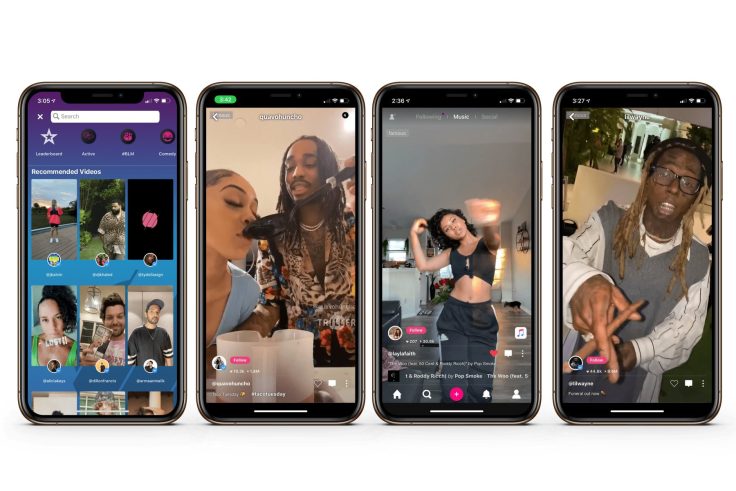
Triller is a relatively new entry that still boasts hundreds of millions of downloads. It’s generally considered a music-focused platform that is slowly evolving into a social networking platform that isn’t just for videos.
Users can create short music videos from 16 to 30 seconds and even up to 2 minutes, by recording different shots, using one song bite, and with its simple editing tools, the platform automatically edits the whole content piece together, creating innovative and creative content for creators to engage with their audiences.
While its growth is much slower than platforms such as TikTok, it represents a unique opportunity for influencers to build an audience before it becomes too competitive.
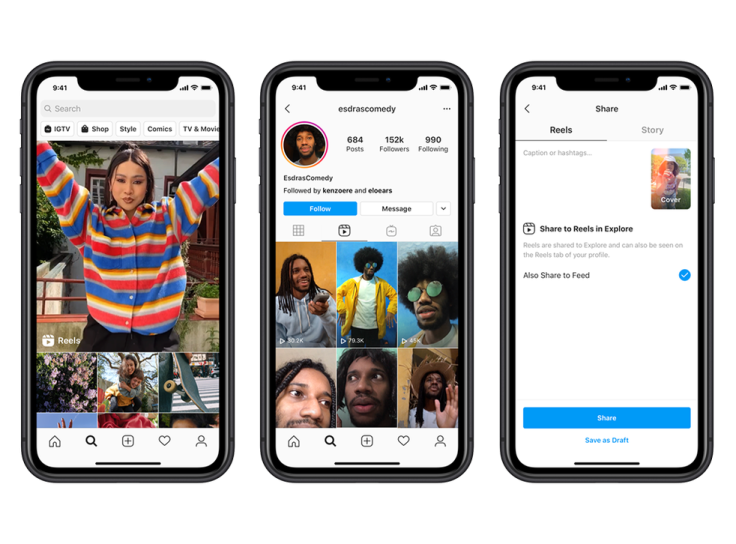
Reels feature can help users, content creators, and businesses create and discover entertaining short videos within the app.
Content is strictly 15 seconds long but the platform offers a variety of editing features such as filters, clip speed, AR effects and adding graphics. They can be shared in-feed, and can be discovered through the platform’s new space, Explore. This allows the content to appear and become visible to a larger audience, who not necessarily are part of the users following accounts. Furthermore, content creators are able to include certain audio, hashtags or effects, that will allow the reel to appear on dedicated pages whenever someone clicks on that audio, hashtag or effect. The discoverability feature for short video formats in this platform is nurturing the creator’s ability to gain more content traction.
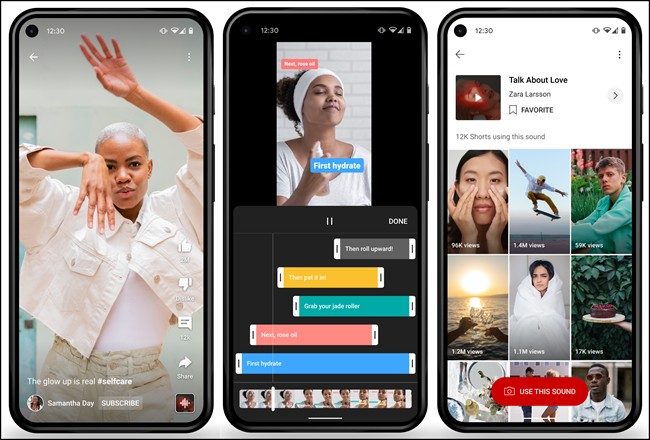
YouTube Shorts is new addition to the video content giant that is currently exclusive to mobile devices, in beta version for India and soon in the US. While consumers tend to use YouTube for long-form content, it’s starting to offer support for short-form videos.
15 seconds shorts can be edited on-the-go with YouTube’s robust set of features, allowing creators to add music, text, play with speed and timer. As one of the oldest platforms on this list, brands and influencers that already have a large following can make use of YouTube shorts to serve short-form video content to their audiences.
Content creators outside India and the US can start tasting the benefits of shorts by just uploading vertical videos up to 60 seconds and including #shorts in the title or video description, to get picked up by YouTubes new short video format algorithm.
As the creator’s economy gains traction, we can expect these social media platforms to continue pushing innovative features that make it easy for brands and influencers to create, serve, share, and even monetize short-form video content.
Both brands and influencers can make better use of the short-form video by:
Being consistent with releasing new content to keep their audience’s attention.
Avoiding uploading the same video to every platform. Creators need to take full advantage of the features offered by each platform such as length limitations, filter effects, and promotional options, to make the most out of the features and truly create innovative content.
Showing authenticity and transparency with behind-the-scenes video shorts.
Successfully using short-form video as part of a marketing strategy means tailoring the content to the different audiences and platforms.
Whether it’s creating content for a certain demographic or making use of a platform’s unique features, both creators and brands need to invest time to test and learn from the apps features and tools, in order to take as much advantage from them and truly be able to innovate through content and leverage from the platforms algorithms to make content discoverable.
 SKIN1004 NYC launchTaking SKIN1004 to the streets: A citywide sampling experience driving buzz ahead of the NYC flagship opening.
 Persil x ArsenalBringing "Every Stain Should Be Part of the Game" to life.
 Stories.Quick, easy reads about things we’ve been thinking, feeling and analysing lately. Get scrolling to keep up.
 AI Shopping and Black Friday 2026: Why Credibility, Not Choice, Will Close the SaleAsk most brands what AI will change about Black Friday and you'll hear some version of the same story: the bots are coming for the basket. Shoppers will ask an assistant for the best deal, and the assistant will buy it for them.Read more